Oh, Croatia! Just thinking about it brings a smile to my face. This incredible gem on the Adriatic has truly captured the hearts of travelers worldwide, and honestly, it’s not hard to see why.
Lately, it feels like everyone I know is either planning a trip or dreaming of one, especially with all the buzz around exploring beyond the usual hotspots and really diving into authentic local experiences.
I’ve personally found that the magic of Croatia isn’t just in its famous walled cities or stunning islands, but in those unexpected moments, like stumbling upon a hidden cove or enjoying a coffee in a tiny village square.
It’s truly become a top pick for those of us looking for that perfect blend of adventure, relaxation, and a genuine cultural connection. With more people opting for ‘workcations’ or seeking out sustainable travel, Croatia is absolutely hitting all the right notes for modern explorers, especially during those sweet shoulder seasons when the crowds thin out but the sun still shines beautifully.
If you’re dreaming of crystal-clear waters, ancient history, and delicious food, then you’re in for a treat. Let’s dive into creating your unforgettable 1-week itinerary.
Coastal Charms and Ancient Walls: Kicking Off in Dubrovnik
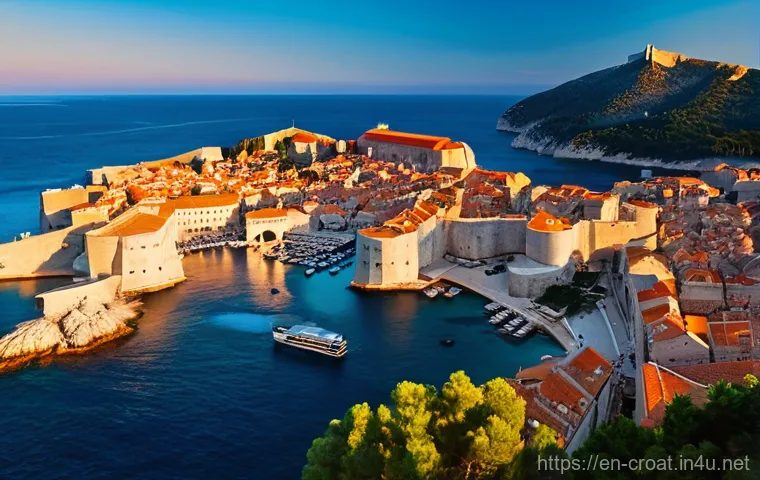
There’s something truly magical about Dubrovnik, isn’t there? The moment you catch sight of those formidable city walls rising from the turquoise Adriatic, you just know you’re in for an unforgettable experience. I remember my first time, standing atop Mount Srđ, gazing down at the terracotta rooftops and shimmering sea – it literally took my breath away. It’s more than just a city; it’s a living, breathing testament to history, resilience, and breathtaking beauty. You can spend an entire day just walking the ancient walls, peering into hidden courtyards and imagining centuries of stories unfold. Don’t rush it; truly soak in every panoramic view and every historical detail. Beyond the walls, the Stradun, Dubrovnik’s main street, hums with life, from street performers to bustling cafes where you can just sit, sip a coffee, and watch the world go by. I always tell my friends to get lost in the side streets; that’s where you find the real gems, the tiny family-run shops, and the unexpected charming spots. The energy here is infectious, a perfect blend of old-world charm and vibrant modern life, and honestly, it sets the tone for an incredible Croatian adventure.
Wandering the Ancient Heart of the City
Walking through Dubrovnik’s Old Town feels like stepping onto a movie set, which, of course, it often is! But beyond the fame, there’s a profound sense of history that whispers from every stone. My absolute favorite thing to do is wake up early, before the main crowds descend, and wander through the labyrinthine streets. You’ll discover hidden churches, quaint squares, and centuries-old fountains. I found this tiny little bakery once, tucked away on a side street, serving the most incredible fresh pastries – a memory I cherish. Exploring the Rector’s Palace, climbing the Bell Tower, or simply people-watching from a café in Luža Square gives you such a rich insight into the city’s soul. Don’t forget to take the cable car up to Mount Srđ for those iconic sunset views; it’s a staple for a reason, but try to go a bit earlier to enjoy the peace before the evening rush. Believe me, the photos just don’t do it justice; you have to experience it yourself.
Island Hopping to Lokrum: A Nearby Escape
Just a short, scenic ferry ride from Dubrovnik lies the enchanting island of Lokrum, and it’s an absolute must-do if you’re in the area. This place is a true nature reserve, bursting with lush botanical gardens, peacocks roaming freely, and crystal-clear swimming spots. I remember spending an entire afternoon just floating in the “Dead Sea,” a small saltwater lake, feeling utterly refreshed. It’s the perfect antidote to the bustling city, offering a tranquil retreat where you can unwind, explore ancient ruins, or just find a quiet spot to read. There’s even a Benedictine monastery with a small exhibit and a “Game of Thrones” iron throne replica for fans! Seriously, the contrast between the historical intensity of Dubrovnik and the serene natural beauty of Lokrum is just perfect for balancing your week. It’s not just a quick excursion; it’s a whole mood, a chance to recharge amidst stunning natural beauty.
Stepping Through Time: Split’s Imperial Grandeur and Island Escapes
Moving up the coast from Dubrovnik, you’ll find Split, a city that immediately embraces you with its energetic, lived-in vibe. This isn’t a museum city; it’s a place where ancient history seamlessly intertwines with modern life, making it utterly captivating. At its heart lies Diocletian’s Palace, a UNESCO World Heritage site that isn’t just a ruin, but the very core of the city itself. People live, work, and socialize within its ancient walls, and that’s what makes it so uniquely special. I recall walking through the Peristyle, feeling the weight of Roman history, then turning a corner to find a vibrant local market – it’s an incredible sensory experience. The Riva, Split’s palm-lined waterfront promenade, is the perfect spot for an evening stroll, grabbing an ice cream, or simply watching the fishing boats come and go. Split has this incredible ability to make you feel right at home, blending the epic scale of its past with the warmth of its present. You’ll quickly fall in love with its rhythm, its history, and its undeniable charm. It’s a city that just keeps giving, revealing new layers with every exploration.
Diocletian’s Palace: A Living Monument
Oh, Diocletian’s Palace! It’s not like any other ancient site you’ve visited, I promise. Imagine an entire Roman emperor’s retirement home, transformed over centuries into a bustling city where people still reside. That’s Split! Walking through the palace grounds feels like a continuous treasure hunt. You’ll stumble upon the original Roman walls, notice ancient columns integrated into modern buildings, and discover hidden courtyards tucked away behind lively cafes. I particularly love exploring the cellars, which offer a fascinating glimpse into the palace’s original structure and a cool respite from the summer sun. Don’t miss climbing the bell tower of the Cathedral of Saint Domnius for breathtaking views over the red roofs of the city and the sparkling Adriatic. The palace isn’t just for history buffs; it’s a vibrant, atmospheric place where street musicians play, markets thrive, and local life truly unfolds. Every visit feels like peeling back another layer of history, a truly immersive experience you won’t soon forget. It really feels like the city lives and breathes its history.
Day Tripping to Hvar: The Island of Lavender and Glamour
While Split itself offers so much, a day trip to one of the nearby islands is practically a rite of passage, and Hvar is a fantastic choice. Just a short, scenic ferry ride away, Hvar Town offers a beautiful blend of historic charm and chic coastal vibes. I remember stepping off the ferry and immediately being struck by the beautiful Venetian architecture, the bustling port, and the scent of lavender carried on the breeze. Explore Hvar Fortress (Fortica) for those postcard-perfect views of the Pakleni Islands and the town below – it’s a bit of a hike, but totally worth it. The main square, Pjaca, is incredibly lively, filled with cafes and shops. If you’re feeling adventurous, rent a small boat or join a tour to explore the stunning Pakleni Islands, a cluster of islets with secluded coves and hidden beaches perfect for swimming and sunbathing. It’s truly an idyllic escape, offering a different pace and a taste of the island lifestyle that Croatia is so famous for, balancing relaxation with a touch of sophistication. You’ll be dreaming of those turquoise waters long after you leave.
Nature’s Masterpiece: Cascades, Canyons, and Countryside Whispers
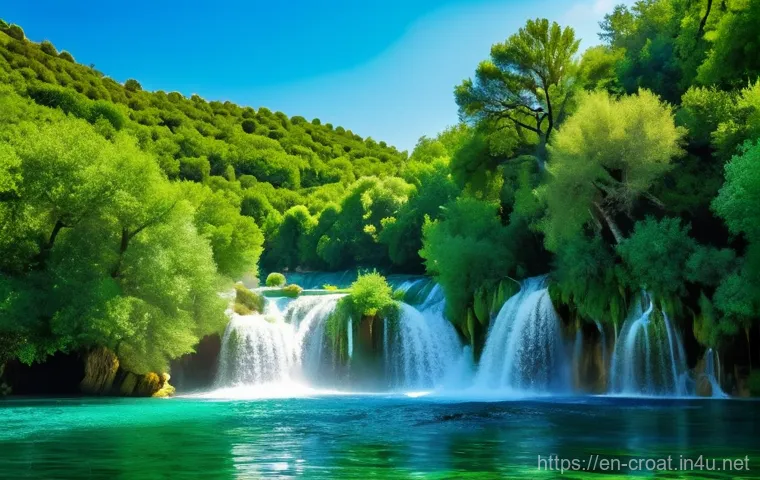
Croatia’s natural beauty is something truly exceptional, and beyond its famous coastline, you’ll discover landscapes that will genuinely steal your heart. I’ve always been drawn to the country’s national parks, and while Plitvice Lakes often gets all the glory, Krka National Park, nestled closer to Split, offers an equally enchanting experience without the often overwhelming crowds. Imagine vibrant emerald waters cascading over travertine barriers, forming a series of stunning waterfalls that invite you to pause and simply marvel. The air here feels cleaner, the sounds are of rushing water and birdsong, and it’s a complete sensory reset. But Krka isn’t just about the main waterfalls; it’s about the entire ecosystem, the charming walking paths, the historic watermills, and the feeling of being completely enveloped by nature’s artistry. It offers a wonderful contrast to the ancient stone cities, providing a dose of refreshing greenery and the soothing sounds of flowing water. For anyone who loves the outdoors, this part of the trip is a true highlight, a chance to reconnect with the wild heart of Dalmatia.
Krka National Park: Where Waterfalls Dance
If you’re looking for that quintessential Croatian waterfall experience, Krka National Park is absolutely phenomenal, and honestly, a bit more accessible than some of its northern counterparts if you’re based in Split. The main attraction, Skradinski Buk, is a breathtaking collection of cascades, and though swimming directly under the main falls is no longer permitted, there are designated swimming areas nearby where you can cool off in the refreshing river waters. I remember strolling along the wooden boardwalks, feeling the mist on my face, and just being completely awestruck by the sheer power and beauty of the falls. There are also ethnological presentations, displaying old watermills and traditional crafts, which add another layer of cultural insight. Beyond Skradinski Buk, consider taking a boat trip further up the river to visit Roski Slap or even the Visovac Monastery, perched on an island in the middle of a lake. It’s a truly serene and unforgettable way to experience the park’s diverse offerings. You’ll be snapping photos at every turn, trust me!
Beyond the Falls: Exploring the Dalmatian Hinterland
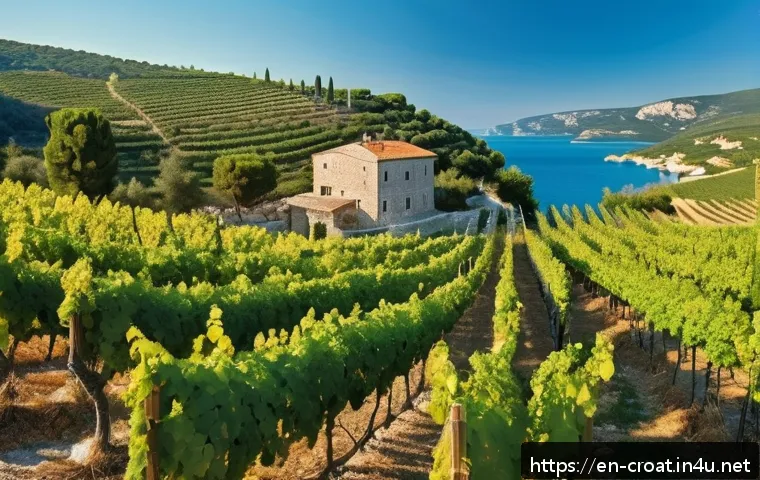
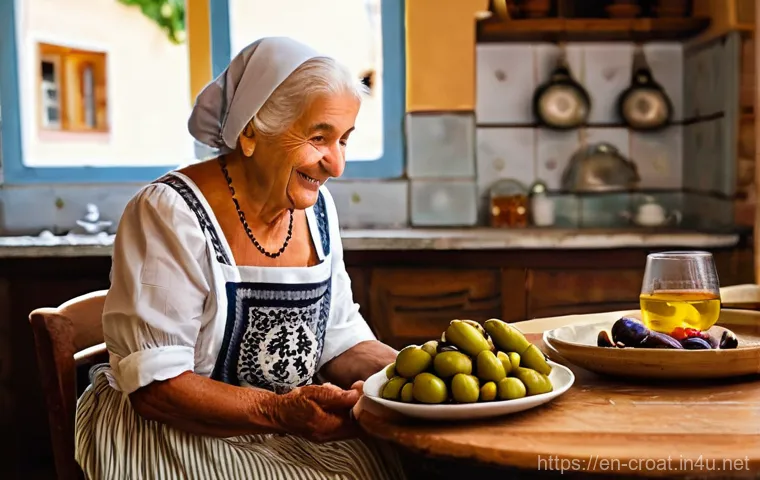
While the waterfalls are undeniably the stars of Krka, venturing just a little beyond the main tourist routes allows you to discover the charming Dalmatian hinterland, a region often overlooked but incredibly rewarding. This is where you find authentic local villages, olive groves stretching as far as the eye can see, and a slower pace of life that’s truly invigorating. I once took a detour and found myself in a tiny village where an elderly woman was selling homemade olive oil and rakija from her doorstep – an experience that felt genuinely special and connected. Exploring these areas by car gives you the freedom to stop at roadside stalls selling local produce, visit small family wineries, or simply pull over for a panoramic view of the rolling hills and vineyards. It’s a chance to see a different side of Croatia, one that’s steeped in agricultural traditions and warm, welcoming hospitality, far from the bustling coastlines. This is where the true heart of Dalmatia often reveals itself, in quiet moments and unexpected encounters.
Savoring Dalmatia: A Culinary Journey Beyond the Tourist Traps
Let’s be honest, one of the greatest joys of traveling is diving headfirst into the local food scene, and Croatia, especially Dalmatia, absolutely delivers. Forget everything you think you know about Mediterranean cuisine and prepare for a delightful culinary adventure that’s rich in fresh seafood, locally sourced produce, and hearty, flavorful dishes. I’ve eaten my way across this region countless times, and every meal feels like a celebration. The secret, I’ve found, is to venture a little off the main squares and seek out those konobas – traditional taverns – where locals gather. That’s where you’ll find the authentic flavors, often passed down through generations. From grilled fish so fresh it practically swam onto your plate to slow-cooked peka, there’s a depth of flavor that’s both comforting and exciting. It’s not just about the food; it’s about the experience – the clinking of glasses, the lively chatter, and the incredible hospitality that makes every meal a memory. Croatian food is simple, yet incredibly satisfying, letting the quality of the ingredients truly shine through, and it’s a vital part of connecting with the local culture.
Seafood Feasts: From the Adriatic to Your Plate
If you love seafood, you are in for an absolute treat in Croatia. Being on the Adriatic, the freshness is unparalleled, and I personally think it’s one of the best places in the world to enjoy it. Imagine platters of perfectly grilled fish (riba na žaru), seasoned simply with olive oil and garlic, or succulent scampi Buzara, cooked in a flavorful wine and tomato sauce. I still dream about a calamari dish I had in a tiny restaurant in Trogir; it was so tender and flavorful, a true testament to the region’s culinary prowess. Don’t shy away from trying the local oysters, especially around the Ston area, which are renowned for their quality. Pair your meal with a crisp, local white wine like Pošip or Malvazija, and you’ve got a match made in heaven. The beauty of Croatian seafood is its simplicity – they let the incredible ingredients speak for themselves. This isn’t fine dining in the fussy sense; it’s honest, delicious food that perfectly reflects the bounty of the sea and the warmth of Dalmatian hospitality. Every bite is a taste of the sea, truly.
Exploring Local Markets and Delicacies
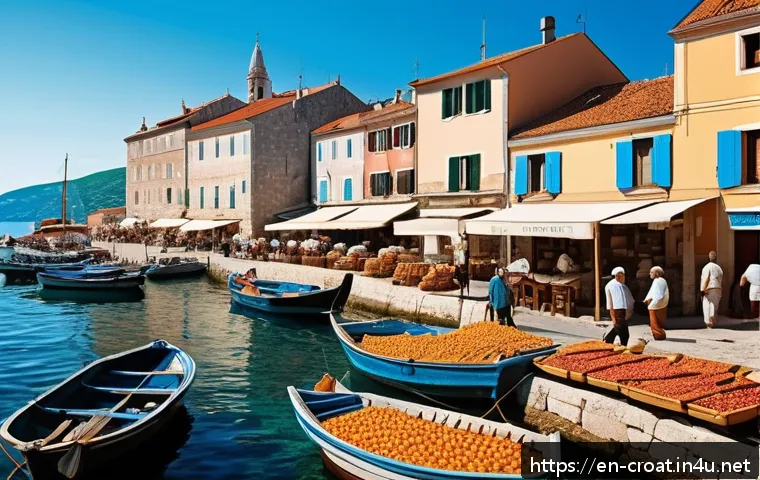
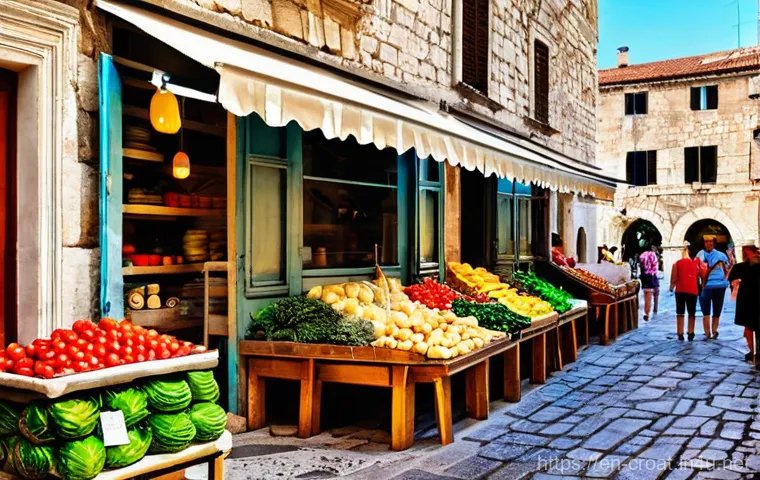
To truly understand Croatian cuisine, you absolutely must visit the local markets. These vibrant hubs are where the heart of Dalmatian cooking truly beats. I always make it a point to wander through Split’s Pazar (green market) or Dubrovnik’s Gundulić Square market, soaking in the sights, sounds, and smells. You’ll find an incredible array of fresh, seasonal produce, local cheeses, cured meats like pršut (prosciutto), and olives. It’s a fantastic way to pick up some picnic supplies, grab a snack, or even find unique souvenirs. Don’t be afraid to try samples or ask vendors for recommendations; they’re usually incredibly proud of their goods. And speaking of delicacies, make sure to try Peka – a slow-cooked dish, often lamb or octopus, prepared under a bell-shaped lid in an open fire. It’s a true culinary event, often requiring advance ordering, but the tender, flavorful results are absolutely worth it. And for something sweet, keep an eye out for fritule (small fried doughnuts) or rožata (Dubrovnik’s crème brûlée). Each bite tells a story of the region, its traditions, and its incredible flavors.
Unveiling Hidden Gems: Beyond the Postcard Views
While the iconic sights of Croatia are famous for a reason, part of the real joy of traveling here, for me, has always been discovering those quiet, lesser-known spots that aren’t plastered all over Instagram. It’s in these moments that you truly connect with the local culture and find experiences that feel uniquely yours. This country is full of them, from secluded coves that feel like your own private beach to ancient villages tucked away in the hills, untouched by mass tourism. I’ve spent countless hours just driving along the coastline, pulling over whenever a scenic view caught my eye, or exploring small towns that most guidebooks barely mention. These are the places where you can truly slow down, chat with locals, and get a sense of everyday Croatian life. It adds such a rich layer to your journey, transforming it from a typical vacation into a genuine exploration. Trust me, stepping off the beaten path is where some of the most memorable and personal moments of your trip will unfold, leaving you with stories that are truly unique.
Discovering Tranquil Coves and Secluded Beaches
One of my favorite pastimes in Croatia is the hunt for the perfect, secluded beach. While the popular spots can be lovely, there’s nothing quite like stumbling upon a hidden cove with nobody else around, just the sound of the waves and the shimmering turquoise water. Often, these require a bit of exploration, maybe a short hike down a winding path, or even renting a small boat to access them, but the reward is immense. Look for less-visited islands or areas just outside the main towns. For instance, instead of just the main beaches on Brač or Hvar, ask locals for directions to their favorite “secret” spots. Sometimes it’s just a patch of smooth pebbles under the shade of pine trees, but the feeling of having it all to yourself is pure bliss. Pack a good book, some snacks, and just let the sun and sea wash away all your worries. These are the moments that feel truly rejuvenating and allow you to fully appreciate the pristine natural beauty of the Adriatic, away from any crowds. It’s like finding your own piece of paradise.
Charming Villages: A Glimpse into Authentic Croatian Life
Beyond the bustling cities, Croatia’s small towns and villages hold a special charm, offering a genuine glimpse into the country’s heart and soul. Places like Cavtat, just south of Dubrovnik, offer a more relaxed atmosphere with beautiful promenades and charming architecture, making for a perfect afternoon escape. Or consider venturing inland a bit to towns like Imotski, known for its stunning Red and Blue Lakes, or even smaller coastal towns along the Makarska Riviera. In these places, life moves at a different pace. You’ll find local markets, traditional craft shops, and cafes where villagers gather for their daily coffee and conversation. I always make an effort to find a small, family-run konoba in these villages; the food is often incredibly authentic and prepared with so much love. Engaging with the locals, even with a simple “Dobar dan” (good day), can lead to wonderful unexpected interactions. These aren’t just stops on a map; they’re opportunities to experience the warmth of Croatian hospitality and witness traditions that have endured for centuries, offering a truly enriching cultural immersion.
Navigating Croatia: Smart Travel for the Savvy Explorer
Planning a trip to Croatia is exciting, but a little bit of smart preparation goes a long way in making your week-long adventure as smooth and enjoyable as possible. I’ve learned a few things over my travels there that I always share with friends. First off, thinking about how you’ll get around is key. While coastal ferries are fantastic for island hopping and add to the whole experience, a car can give you so much freedom, especially if you want to explore the hinterland or visit national parks at your own pace. Just remember, some of the older city centers are pedestrian-only, so parking can be a fun challenge! And don’t forget to factor in the shoulder seasons; May, early June, and September are my absolute favorite times to visit. The weather is glorious, the crowds are thinner, and you still get that wonderful Mediterranean sunshine. A bit of foresight in these areas can really elevate your trip from good to absolutely phenomenal, allowing you to relax and truly soak in all the beauty and culture Croatia has to offer without any unnecessary stress.
Getting Around: From Ferries to Road Trips
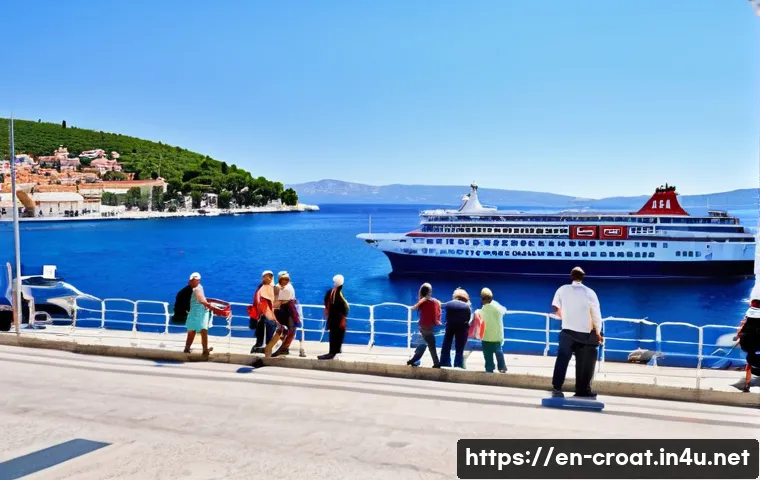
When you’re planning your week in Croatia, one of the biggest decisions is how you’ll navigate between destinations. For me, a combination works best. If you’re focused on the coast and islands, the ferry system (Jadrolinija is the main operator) is incredibly efficient and offers stunning views. I love the feeling of being on the open sea, watching the islands pass by. But if you’re keen to explore national parks like Krka, or venture into smaller villages and the countryside, renting a car gives you unparalleled flexibility. Just be aware that Croatian roads can be a bit winding, especially along the coast, and some city centers are completely pedestrianized, meaning you’ll need to park on the outskirts. Alternatively, intercity buses are also a reliable and budget-friendly option, connecting most major towns. Taxis and ride-sharing apps are available in larger cities for shorter distances. My best advice? Research your specific route and preferred travel style, and pre-book any long-distance ferries or rental cars, especially during peak season, to avoid any last-minute hassle. Being prepared makes all the difference!
Money Matters and Local Customs
Understanding local currency and customs can make your trip much smoother. Croatia officially adopted the Euro (€) in January 2023, so gone are the days of dealing with Kunas. Most places, especially in tourist areas, readily accept card payments, but it’s always a good idea to carry some cash for smaller purchases, local markets, or tiny cafes in more remote villages. Tipping isn’t strictly mandatory like in some other countries, but it’s appreciated for good service; a 5-10% tip at restaurants or rounding up taxi fares is a nice gesture. I’ve found that learning a few basic Croatian phrases, like “Dobar dan” (good day), “Hvala” (thank you), and “Molim” (please/you’re welcome), goes a really long way – locals truly appreciate the effort. Croatians are generally very friendly and welcoming, but punctuality is often quite relaxed, especially when it comes to social engagements, so embrace the slower pace. Respecting local culture, dress codes in religious sites, and being mindful of noise levels in residential areas will ensure you have a respectful and rewarding experience. It’s all about immersing yourself politely!
Making Memories Last: Souvenirs and Sustainable Practices
As our incredible week in Croatia draws to a close, it’s natural to want to bring a piece of that magic home with you. But beyond the usual trinkets, I always encourage looking for souvenirs that truly reflect the local culture, support artisans, and ideally, have a story behind them. It’s about finding those unique items that will spark a memory long after you’ve returned home, rather than just another mass-produced item. More importantly, as responsible travelers, it’s crucial to think about the impact we have on the beautiful places we visit. Croatia’s stunning natural landscapes and rich historical sites are precious, and by making conscious choices, we can help preserve them for future generations. This isn’t just about adhering to rules; it’s about a mindset, a genuine respect for the environment and the local communities that welcome us. Every small decision, from what we buy to how we dispose of our waste, contributes to the bigger picture, ensuring that the charm and beauty of Croatia endure for years to come. Let’s make sure our memories are not just personal but also positive for the destinations we adore.
Finding Authentic Croatian Keepsakes
When it comes to souvenirs, Croatia offers some truly wonderful options that go beyond the typical magnets. I always recommend seeking out local markets and artisan shops for unique finds. For instance, the island of Hvar is famous for its lavender products – little sachets, essential oils, and even lavender honey make for fragrant and practical gifts. If you’re looking for something truly traditional, keep an eye out for Šestine umbrellas from Zagreb (even if you’re not going north, you might find them in specialty stores) or traditional Licitars, the beautifully decorated gingerbread hearts, which are also from the northern regions but represent Croatian heritage. Olive oil, especially from Istria or Dalmatia, is another fantastic culinary souvenir, often produced by small family farms and offering an authentic taste of the region. Local wines, cheeses, or even handcrafted jewelry using traditional motifs are also excellent choices. My personal tip? Look for something handmade, something that tells a story, and something that you know supports the local economy directly. These kinds of souvenirs carry so much more meaning and become cherished reminders of your incredible journey.
Traveling Responsibly: Preserving Croatia’s Beauty
As visitors, we have a vital role to play in preserving the incredible beauty and cultural heritage of Croatia. Sustainable travel isn’t just a buzzword; it’s a practice that ensures these destinations remain vibrant and pristine for everyone. Simple acts can make a big difference. Always stick to marked paths in national parks and natural areas to protect fragile ecosystems. Be mindful of your waste; dispose of trash properly and try to reduce single-use plastics. Supporting local businesses, from restaurants to artisan shops, helps keep money within the community and supports traditional crafts. I also try to conserve water and energy, especially on the islands where resources can be scarcer. When visiting historical sites, respect the ancient structures by not touching or climbing on them. A personal favorite way to be sustainable is to immerse myself respectfully in local culture, learning a few phrases and being open to local customs. By traveling consciously, we’re not just enjoying Croatia; we’re helping to protect its magic for future generations of travelers, ensuring that its charm endures. It’s a small effort for a huge reward.
글을 마치며
And just like that, our incredible week exploring the diverse wonders of Croatia comes to a close. It feels like only yesterday I was gazing at Dubrovnik’s ancient walls, and now I’m reflecting on the vibrant markets of Split, the serene beauty of Krka, and the countless delicious meals I savored along the way. This country truly has a way of capturing your heart, leaving you with memories that feel less like a vacation and more like a profound journey. From the bustling coastal towns to the tranquil hidden coves, Croatia offers an unparalleled blend of history, natural splendor, and genuine warmth from its people. I genuinely hope my adventures have inspired you to embark on your own, to discover the magic that lies within this captivating corner of the Adriatic. Every sunrise over the sea, every ancient stone touched, every flavor savored – it all adds up to an experience you’ll treasure forever.
알아두면 쓸모 있는 정보
1. Embrace the Euro for seamless transactions: As of January 2023, Croatia officially adopted the Euro (€), making currency exchange much simpler for most international travelers. While card payments are widely accepted in cities and tourist areas, I always recommend carrying some cash for smaller purchases at local markets, tiny family-run konobas, or when venturing into more remote villages. It truly makes your day-to-day spending smoother and supports local businesses directly. Planning ahead with a mix of payment options means you’ll never miss out on that spontaneous coffee or unique artisan craft.
2. Timing is everything – consider the shoulder seasons: While summer (July-August) boasts the warmest weather, it also brings the biggest crowds and highest prices. Based on my own experiences, the shoulder seasons – late April to early June, and September to early October – are absolutely magical. The weather is still glorious for swimming and exploring, but the throngs of tourists have thinned out, making for a much more relaxed and authentic experience. You’ll find better deals on accommodation and flights, and you can enjoy popular sites without feeling rushed. Trust me, experiencing the Adriatic’s beauty in a calmer atmosphere is truly special.
3. Mix up your transport to maximize exploration: Croatia’s diverse landscape means a single mode of transport won’t cut it for a full experience. For island hopping and scenic coastal journeys, the reliable ferry system (especially Jadrolinija) is fantastic and part of the adventure. However, if you dream of exploring national parks, charming inland villages, or discovering secluded beaches, renting a car offers unparalleled freedom. Just remember that many historic city centers are pedestrian-only, so plan for parking on the outskirts. Intercity buses are also a budget-friendly option for connecting major towns. A little planning here goes a long way in ensuring you see everything on your list without a hitch.
4. A few Croatian phrases go a long way in connecting with locals: While English is widely spoken in tourist areas, especially by younger generations, making an effort to learn a few basic Croatian phrases can genuinely enhance your interactions and show respect for the local culture. Simple greetings like “Dobar dan” (good day), “Hvala” (thank you), and “Molim” (please/you’re welcome) will open doors and bring smiles. I’ve found that even a small attempt at their language is deeply appreciated and often leads to warmer, more memorable encounters with locals, making your trip feel much more personal and enriching.
5. Eat like a local and seek out traditional konobas: One of the most rewarding aspects of traveling is diving into the local cuisine, and Croatia’s Dalmatian region offers some truly exquisite flavors. My best advice is to venture slightly off the main tourist squares and seek out a “konoba” – a traditional tavern. These often serve authentic, homemade dishes prepared with fresh, local ingredients, just like grandma used to make. Don’t be afraid to ask for recommendations from locals; they’ll often point you to the best-kept secrets for dishes like peka, fresh grilled fish, or amazing olive oils. This is where you’ll find the true culinary soul of Croatia.
중요 사항 정리
Ultimately, a week in Croatia is a sensory symphony, blending ancient history with vibrant modern life, and breathtaking natural beauty with mouthwatering culinary delights. What truly stands out for me is the incredible balance the country offers – you can be immersed in Roman history one day, lounging on a secluded beach the next, and hiking through a national park the day after. My personal journey through Dalmatia has consistently been filled with unexpected discoveries and genuine warmth from the people. From the formidable walls of Dubrovnik to the living history of Split’s Diocletian’s Palace, the cascading wonders of Krka, and the endless culinary treasures of the Adriatic, every moment reinforces why this destination remains a firm favorite among seasoned travelers. It’s not just a place to visit; it’s a place to experience, to connect with, and to leave a piece of your heart behind.
Frequently Asked Questions (FAQ) 📖
Q: What’s truly the best time to visit Croatia for a memorable one-week adventure without breaking the bank or battling huge crowds?
A: Oh, this is such a common question, and honestly, it depends a little on what you’re hoping for, but I’m going to share my absolute favorite times with you!
While July and August are undeniably gorgeous with their scorching sun and buzzing atmosphere, they also bring the biggest crowds and the highest prices, especially in hotspots like Dubrovnik and Split.
Trust me, navigating those packed streets can take a little magic out of the experience. That’s why I always steer my friends (and you lovely readers!) towards the shoulder seasons: May, early June, or September through early October.
During these sweet spots, you’ll still get absolutely stunning weather, often warm enough for swimming in the crystal-clear Adriatic, but with significantly fewer tourists.
The air is crisp, the sea is inviting, and you can actually stroll through ancient towns without feeling like you’re in a human bumper car game. Plus, accommodation and flights tend to be much more forgiving on your wallet.
For me, there’s nothing quite like a warm September evening enjoying a glass of local wine by the sea, feeling like you have a piece of Croatia all to yourself.
If you’re really looking to hike and explore national parks, April and October can be fantastic too, though the sea might be a bit chilly for a dip. So, if you want that perfect blend of sun, fewer crowds, and better value, mark down May, June, or September/early October on your calendar!
Q: For a one-week itinerary, how do you recommend getting around Croatia efficiently, especially if I want to see a few different places?
A: Navigating Croatia for a week is totally doable, and you’ve got some great options depending on your travel style! My go-to advice, especially for a first-timer focusing on the coast and popular cities like Split and Dubrovnik, is usually a mix of buses and ferries.
Croatia has this fantastic, extensive bus network that’s surprisingly comfortable and budget-friendly. You can pretty much get between all the major cities and even smaller towns without too much fuss.
I’ve spent countless hours on Croatian buses, gazing out at the incredible scenery, and it’s a lovely way to travel. Just remember, different companies operate on the same routes, so it’s worth checking a few options for the best times and prices.
For instance, Flixbus is a popular and reliable choice. Now, if you’re dreaming of island hopping (and who isn’t in Croatia?!), ferries are your best friend.
They connect the mainland to countless gorgeous islands, and honestly, there’s nothing quite like feeling that sea breeze and watching the Adriatic sparkle as you glide towards your next adventure.
Catamarans are faster but a bit pricier than the traditional ferries, which offer a more leisurely (and often cheaper!) journey. Renting a car is another fantastic option if you crave ultimate flexibility, especially if you want to explore the more remote areas or charming hill towns of Istria, or national parks like Krka.
The roads are generally excellent, and it gives you the freedom to stop wherever your heart desires. Just keep in mind that parking can be a bit of a puzzle (and pricey!) in old town centers, and you’ll need to factor in tolls and gas.
For a week, I often find myself suggesting a combo: maybe a bus or car for a few days on the mainland, then ditch the car and hop on ferries to explore the islands on foot!
Q: What’s a realistic budget for a one-week trip to Croatia, and do you have any clever tips for saving money without compromising on the experience?
A: Okay, let’s talk money, because while Croatia is absolutely stunning, it’s not the “bargain basement” destination it once was, especially since joining the Eurozone in 2023.
Think of it more on par with some of its Mediterranean neighbors like Italy, rather than some Eastern European countries. For a one-week trip, a realistic daily budget can really vary.
If you’re a savvy backpacker staying in hostels, cooking some of your meals, and using public transport, you might manage on around €50-€95 per day. For a mid-range traveler, aiming for €120-€175 per day is a good starting point, which allows for private accommodation, a mix of self-catering and restaurant meals, and some paid activities.
Of course, if you’re looking for luxury, that number can easily climb to €200-€275+ per day. Now, for my money-saving secrets – because who doesn’t love a good deal?
Firstly, revisiting Q1, traveling during the shoulder seasons (May, June, September, October) is probably the single biggest money-saver. Prices for flights and accommodation can jump dramatically in July and August.
Next, consider your accommodation. Hostels offer dorm beds from €20-€50, while a basic hotel room or private Airbnb can range from €40-€100 per night, depending on the location and season.
Staying a little further out from the absolute city center, perhaps a 15-20 minute walk, can snag you much better deals without sacrificing convenience.
When it comes to food, this is where you can make a huge difference! While a sit-down dinner can easily be €13-€20+ per person (more in touristy spots like Dubrovnik), embracing local bakeries is a game-changer.
Grabbing a fresh burek (a savory pastry) or a slice of pizza for a few euros is a delicious and filling breakfast or lunch. I personally love doing a mix: a cheap and cheerful bakery breakfast, a picnic lunch with goodies from a local market, and then splurging on a nice dinner every other night.
And definitely seek out local konobas (taverns) away from the main squares for more authentic flavors and better prices. Lastly, maximize free activities!
Croatia is blessed with stunning natural beauty. Think endless, breathtaking beaches (most are free!), scenic hiking trails, and just wandering through historic Old Towns.
Many cities also offer free walking tours (remember to tip your guide!). These little tips, combined with booking transportation and accommodation in advance, can seriously help you experience Croatia’s magic without having to remortgage your house!