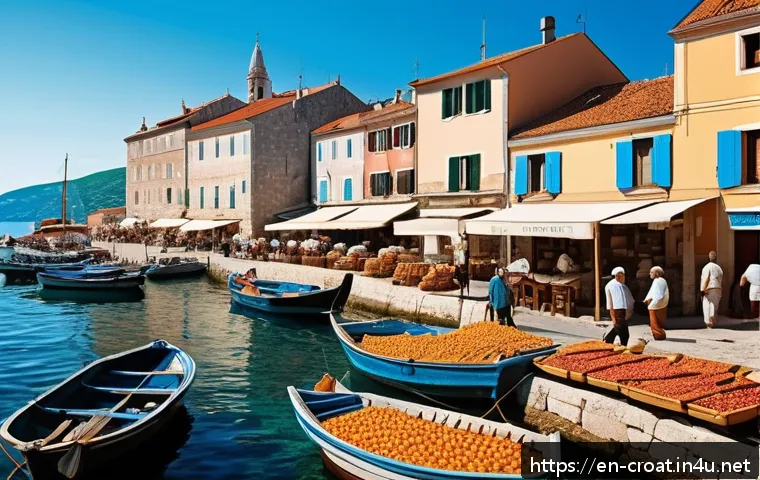
As travel trends evolve with a growing desire for genuine cultural encounters, Croatia’s cities stand out as vibrant hubs of history, flavor, and local life.
Whether you’re wandering through the ancient streets of Dubrovnik or savoring the laid-back vibe of Split, each city offers a distinct personality waiting to be uncovered.
Lately, more travelers are seeking authentic experiences beyond typical tourist spots, making this the perfect time to explore Croatia through a local’s eyes.
Join me as we dive into the unique charms that make each city unforgettable, revealing hidden gems and insider tips that only locals know. Let’s embark on a journey that promises more than just sightseeing — it’s about truly living the Croatian way.
The Soul of Coastal Life: Embracing the Adriatic Rhythm
Morning Markets and Sea Breezes
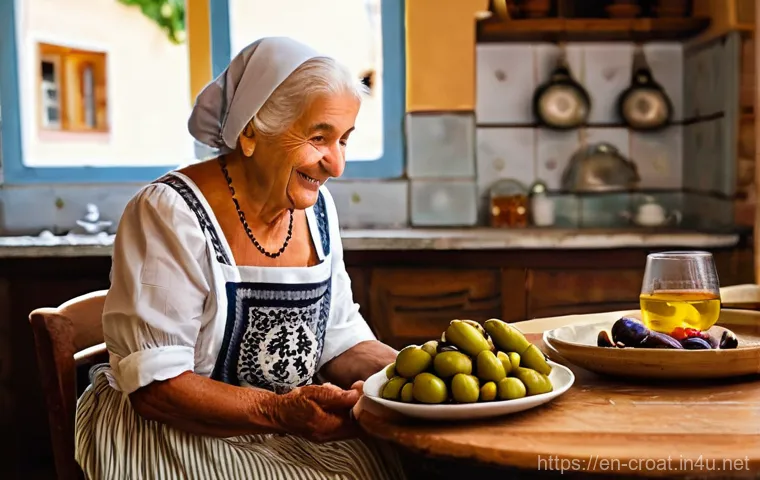
The early hours along Croatia’s coast reveal a world far from the usual tourist bustle. Local markets come alive with fishermen unloading the freshest catch, while vendors offer ripe olives, fragrant herbs, and homemade cheeses.
Walking through these vibrant stalls, you can almost taste the sea in the air. It’s not just about buying ingredients; it’s a sensory experience that connects you to the daily life and traditions of the people here.
I’ve found that chatting with market vendors often leads to spontaneous invitations to family-run taverns or secret beach spots, moments that no guidebook could ever capture.
Sunset Rituals and Local Gatherings
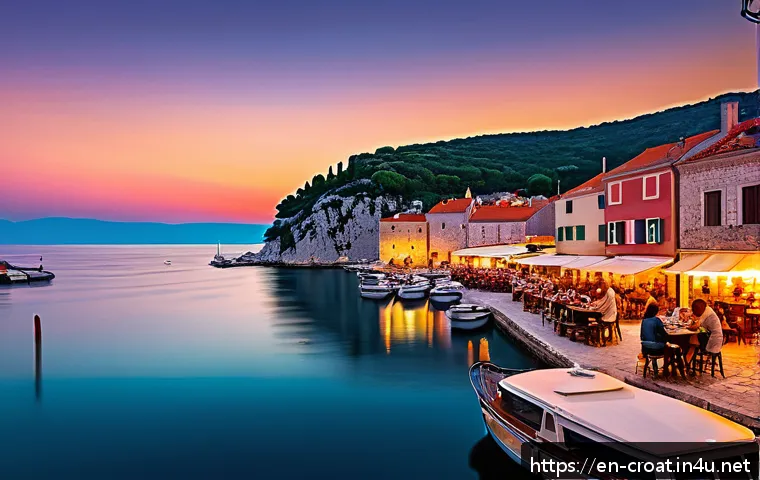
As the sun dips below the horizon, coastal towns transform into lively hubs of social energy. Locals gather at waterfront cafes and bars, sharing stories over glasses of locally produced wine or a cold craft beer.
The atmosphere is unhurried yet electric, where everyone knows the rhythm of the Adriatic night. Experiencing these evening rituals firsthand gave me a deeper appreciation for how community and tradition blend seamlessly in everyday life here.
It’s a reminder that travel isn’t just about seeing places, but about feeling their heartbeat.
Hidden Beaches and Quiet Moments
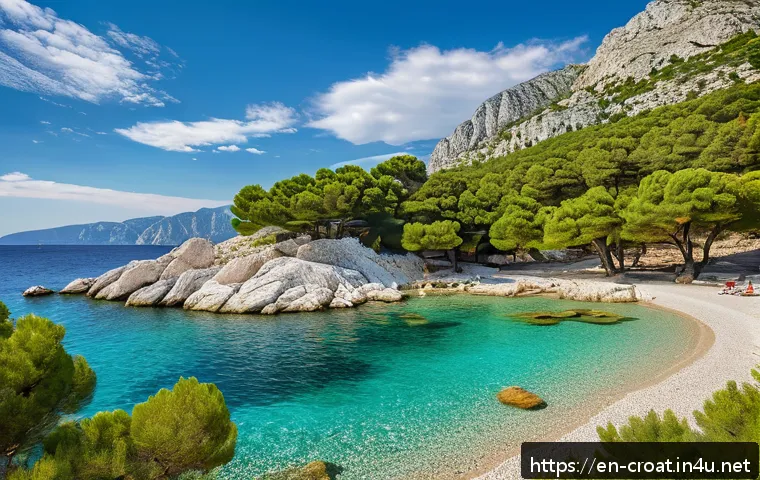
Beyond the well-trodden beaches lie secluded coves and rocky inlets where the Adriatic’s clear waters glisten untouched. These spots often require a bit of local knowledge or a willingness to explore on foot, but the reward is unmatched tranquility.
I remember hiking along a rugged trail near Makarska, stumbling upon a tiny beach where only a handful of locals came to swim and sunbathe. It felt like discovering a secret slice of paradise, where time slows down and the noise of the world fades away.
Urban Tales and Timeless Streets: The Heartbeat of Croatian Cities
Architectural Layers and Stories in Stone
Croatian cities are living museums, where every stone seems to whisper centuries of history. Walking through ancient alleyways, you encounter a tapestry of influences — Roman ruins, Venetian palaces, and Austro-Hungarian facades blending effortlessly.
Each building carries its own tale, and locals often share these stories with pride, adding personal anecdotes that bring history to life. Exploring these streets with a curious mind feels like stepping into a novel, where the past and present coexist in vivid harmony.
Cafés as Cultural Crossroads
The café culture here is more than a place to sip coffee; it’s a social institution. Sidewalk terraces are buzzing with conversation, laughter, and the clinking of cups.
Locals use these spaces as informal meeting points, where friendships are forged and ideas exchanged. I’ve spent hours people-watching in these cafés, soaking up the local dialects and customs.
It’s fascinating how a simple coffee break turns into an immersive lesson in Croatian hospitality and social life.
Artistic Expressions Beyond Galleries
Street art, small theaters, and impromptu music performances add layers of creativity to urban life. Cities like Zagreb and Rijeka are particularly vibrant, with neighborhoods that showcase murals and installations reflecting contemporary issues and local identity.
Attending a street festival or catching a live band in an intimate venue offers a glimpse into the city’s soul, revealing a dynamic culture that’s both proud of its heritage and eager to innovate.
The Flavors of Tradition: A Culinary Journey Through Croatia
From Farm to Table: Embracing Local Produce
Croatian cuisine is deeply rooted in the land and sea, with a strong emphasis on fresh, seasonal ingredients. Visiting family-owned farms and olive groves offers insight into the origins of many beloved dishes.
I had the chance to join a harvest season in Istria, picking olives and learning traditional pressing methods. This hands-on experience enriched my understanding of how much care and history go into every bottle of olive oil or wedge of cheese served at the table.
Seafood Stories from the Adriatic
The Adriatic’s bounty is a cornerstone of coastal gastronomy. Dishes like black risotto made with cuttlefish ink or freshly grilled sardines reflect centuries of culinary evolution.
Dining at small konobas (traditional taverns) run by fishing families gave me a firsthand look at recipes passed down through generations. The flavors were bold yet simple, embodying the essence of the sea and the people who live by it.
Pairing Plates with Croatian Wines
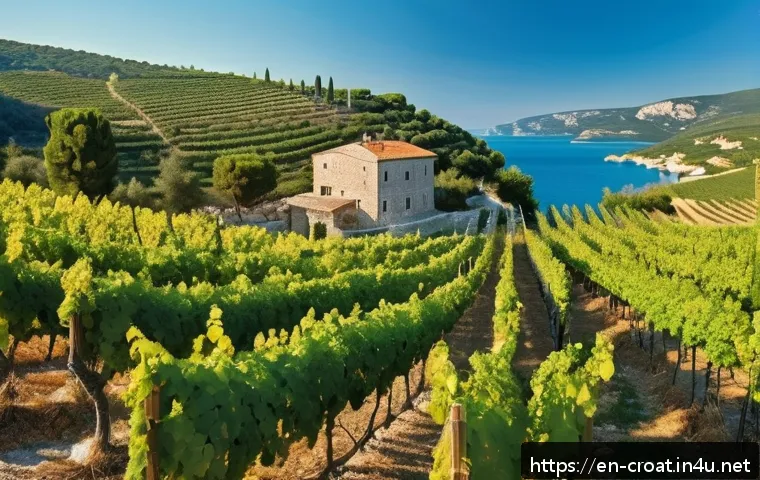
Croatia’s wine regions are treasures waiting to be explored, each offering unique varietals that complement local dishes perfectly. I found that tasting wines in intimate vineyards, away from the tourist trails, created a richer experience.
Conversations with winemakers revealed the passion and dedication behind every bottle, and pairing these wines with homemade meals became one of my favorite ways to connect with Croatian culture on a deeper level.
Beyond the Beaten Path: Discovering Croatia’s Lesser-Known Treasures
Small Town Charms and Warm Welcomes
Venturing beyond major cities leads to enchanting small towns where the pace slows and authenticity shines. Places like Šibenik or Trogir offer cobbled streets, quiet squares, and a genuine sense of community.
I vividly recall a night spent in a family-run guesthouse, where the hosts shared homemade rakija and stories of local legends. These encounters turned simple stays into unforgettable cultural exchanges.
Nature’s Playground: National Parks and Outdoor Adventures
Croatia’s natural beauty is as diverse as its history. National parks such as Plitvice Lakes and Krka boast stunning waterfalls and lush landscapes perfect for hiking and photography.
Experiencing these parks early in the morning, before crowds arrive, revealed a peaceful side of Croatia I hadn’t expected. The crisp air, the sound of cascading water, and the vibrant greenery created moments of pure connection with nature.
Festivals and Local Celebrations
Timing your visit to coincide with local festivals adds an extra layer of magic. Events celebrating everything from medieval history to contemporary music offer immersive experiences that tourists often miss.
I attended a summer festival in a Dalmatian village where traditional dances, costumes, and food were showcased with infectious enthusiasm. Joining in the celebrations felt like stepping into a living storybook, where culture is actively celebrated and shared.
Getting Around Like a Local: Navigating Croatia’s Transport and Tips
Public Transport and Regional Connections
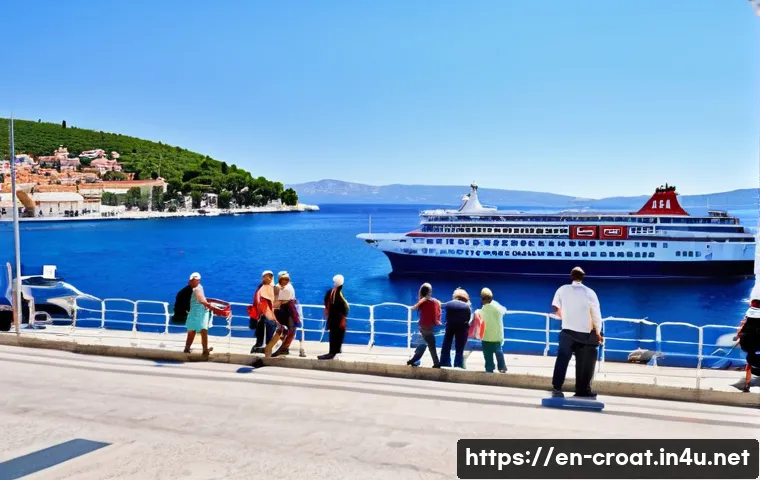
Croatia’s network of buses and ferries is surprisingly efficient for reaching both major cities and remote islands. I learned that embracing local schedules and routes often leads to unexpected adventures, such as meeting fellow travelers and locals sharing travel tips.
Using public transport also allowed me to see everyday life unfold outside tourist hotspots, offering a more grounded perspective on the country.
Biking and Walking: Embracing Slow Travel
Many Croatian cities and towns are wonderfully walkable, with scenic cycling paths along the coast and through historic districts. Renting a bike gave me the freedom to explore hidden corners and take detours off the main roads.
Slowing down to walk or pedal not only enhances the sense of discovery but also deepens your connection to the environment and the people you meet along the way.
Car Rentals and Driving Insights
While public transport covers a lot, renting a car opens doors to secluded spots and flexible itineraries. Driving along the Adriatic coast offers breathtaking views and the chance to stop spontaneously at beaches or small villages.
However, I found that local driving customs and narrow roads require attentiveness and patience. Planning routes carefully and combining driving with ferry rides creates a balanced and enriching travel experience.
Essential Croatian Customs to Make Your Stay Smoother
Language Nuances and Friendly Gestures
Even a few words of Croatian can go a long way in making connections. Locals appreciate efforts to greet and thank them in their language, which often leads to warmer interactions.
Simple phrases like “Hvala” (thank you) and “Dobar dan” (good day) opened doors for me, inviting conversations and smiles that enriched my journey.
Dining Etiquette and Social Norms
Croatian hospitality shines brightest at the dinner table. It’s customary to wait for the host to start eating, and sharing food is a sign of friendship.
I quickly learned that refusing an offer of homemade food or drink might be seen as impolite, so embracing these gestures led to some of my most memorable meals.
Understanding these small social cues made my experiences feel more genuine and respectful.
Respecting Traditions and Local Sensitivities
While Croatia is welcoming, it’s important to be mindful of cultural and historical sensitivities, especially in places with a complex past. I found that listening carefully to local stories and observing customs helped me avoid misunderstandings and showed respect.
Participating thoughtfully in traditions or festivals enhanced my appreciation for the country’s rich heritage and the pride locals take in preserving it.
| City | Unique Experience | Local Tip | Best Time to Visit |
|---|---|---|---|
| Dubrovnik | Walk the ancient city walls early morning to avoid crowds | Try a local seafood dish at hidden konobas in Old Town | April to June or September to October |
| Split | Explore Diocletian’s Palace’s underground cellars | Visit local markets for fresh produce and street food | May to September |
| Zagreb | Attend weekend flea markets and street performances | Take a café break in Tkalčićeva Street for people-watching | April to October |
| Rijeka | Discover vibrant street art and cultural festivals | Use public transport to reach nearby islands | June to September |
| Istria | Join truffle hunting tours and vineyard visits | Book family-run agritourisms for authentic meals | September to November |
In Conclusion
Exploring Croatia reveals a rich tapestry of culture, nature, and authentic experiences that go far beyond typical tourist paths. From vibrant coastal rhythms to timeless urban tales and savory culinary traditions, every moment invites deeper connection and discovery. Embracing local customs and slower travel enhances the journey, turning visits into lasting memories filled with warmth and genuine encounters.
Helpful Tips to Remember
1. Learning a few basic Croatian phrases like “Hvala” and “Dobar dan” can open doors and create friendly connections with locals.
2. Visiting markets and family-run establishments offers the most authentic taste of Croatian culture and cuisine.
3. Using public transport and renting bikes allow you to experience Croatia’s landscapes and communities more intimately.
4. Timing your trip to coincide with local festivals enriches your understanding of Croatian traditions and celebrations.
5. Always respect local customs and historical sensitivities to ensure a respectful and rewarding travel experience.
Key Takeaways
Understanding Croatia’s unique blend of coastal charm and historic urban life is essential for a meaningful visit. Prioritize immersive experiences over sightseeing alone by engaging with local people and traditions. Plan your itinerary to include lesser-known destinations and seasonal events for a more personal and memorable adventure. Stay flexible with transportation to uncover hidden gems, and approach the culture with openness and respect to truly embrace the spirit of this remarkable country.
Frequently Asked Questions (FAQ) 📖
Q: uestionsQ1: What are some must-visit hidden gems in Croatia’s cities that locals recommend?
A: Beyond the famous spots like Dubrovnik’s Old Town and Split’s Riva promenade, locals love tucked-away places such as the serene streets of Veli Varos in Split, where you can enjoy traditional cafes away from the crowds.
In Dubrovnik, try exploring the less-visited Lapad Peninsula for peaceful beaches and authentic eateries. Also, don’t miss the vibrant street art scene in Zagreb’s industrial districts, which offers a fresh cultural vibe that tourists often overlook.
These spots give you a real sense of local life and culture, making your trip uniquely memorable.
Q: How can travelers experience authentic Croatian culture without feeling like typical tourists?
A: The key is to slow down and engage with the community. Instead of rushing through major landmarks, spend time in local markets, attend small neighborhood festivals, or join cooking classes where you can learn to make Croatian dishes like peka or pasticada.
Chatting with shop owners, bartenders, and residents often leads to insider tips and genuine stories. Also, consider staying in family-run guesthouses rather than big hotels to soak up everyday life.
These approaches create meaningful connections and offer a deeper, more authentic travel experience.
Q: What’s the best time to visit Croatia to enjoy its cities’ culture without overwhelming crowds?
A: Visiting in the shoulder seasons—late spring (May to early June) or early autumn (September to October)—strikes the perfect balance. During these months, the weather remains pleasant, but the tourist crowds have thinned out, allowing you to explore comfortably and interact more easily with locals.
Plus, many cultural events and festivals still take place during these periods, offering vibrant experiences without the peak season hustle. I’ve found that traveling during these times lets you really breathe in the local atmosphere and enjoy the cities’ charms at a relaxed pace.