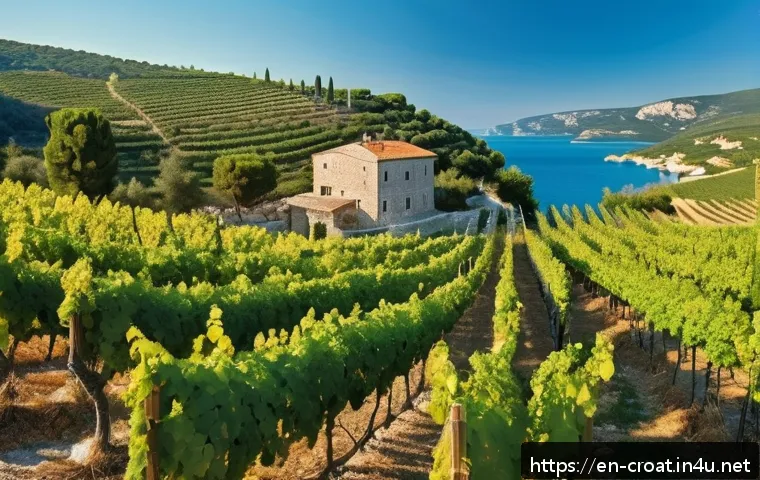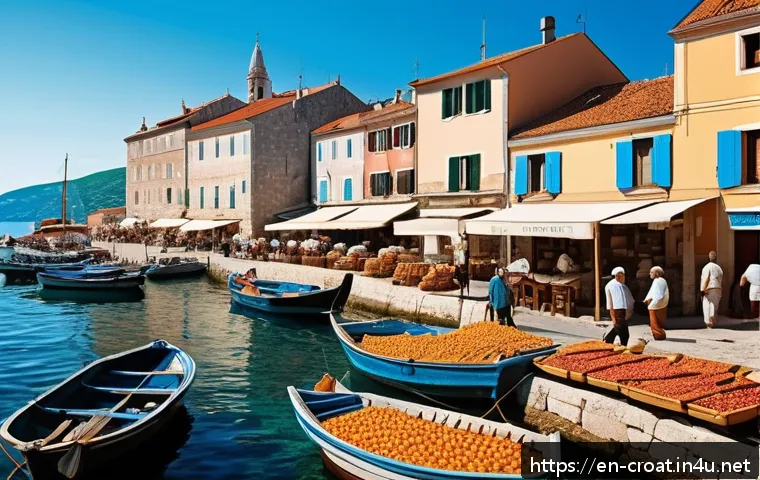
Hey fellow adventurers! Ever dreamt of a place where the sun always shines, the sea sparkles like a million diamonds, and every corner whispers ancient tales?
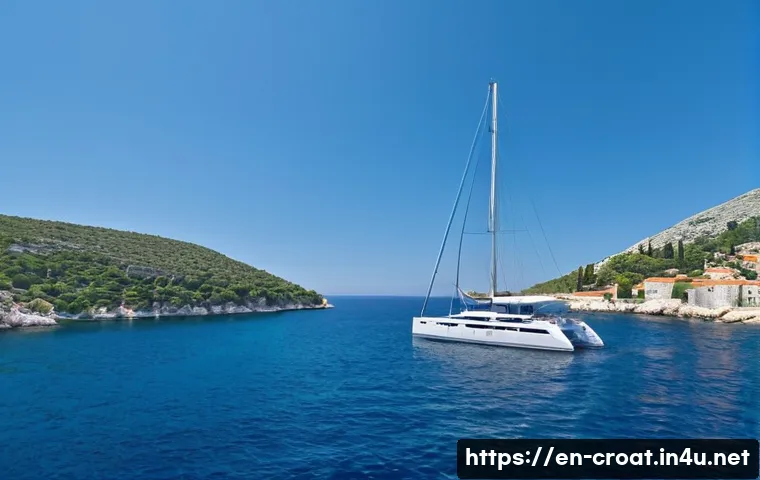
That’s Hvar Island for you, Croatia’s undisputed queen of the Adriatic. Getting there might seem a little daunting at first glance, especially if it’s your maiden voyage to a European island paradise.
But trust me, it’s an adventure worth every step, and with a little insider knowledge, it’s smoother than you think. In this post, I’m going to share all my hard-won secrets and make your journey to this stunning island utterly unforgettable.
Let’s dive right into how you can make your dream Hvar trip a seamless reality! As someone who’s personally navigated the enchanting waters to Hvar multiple times, I can tell you there’s nothing quite like the moment you first glimpse its ancient walls and vibrant harbor.
My goal here is to cut through the noise and give you the real deal on getting to this slice of heaven, whether you’re flying in from across the globe or hopping over from a neighboring Croatian gem.
I remember my very first trip; I meticulously planned every detail, poring over maps and ferry schedules, only to find a few unexpected quirks along the way.
That’s why I’m spilling all my top tips – from the fastest routes to the most scenic, and even how to snag those coveted ferry tickets during peak season without a hitch.
We’ll explore everything from Dubrovnik to Split connections, delve into the various ferry options like Jadrolinija and Krilo, and even touch on avoiding the common pitfalls that can turn a dream trip into a logistical nightmare.
Plus, I’ll share some insights on sustainable travel practices to keep Hvar beautiful for generations to come, something that’s becoming increasingly important to us all.
You know that feeling when you’re completely prepared and everything just *flows*? That’s the vibe we’re going for! I’ve experimented with almost every possible combination, and I’m thrilled to lay out the smoothest, most enjoyable paths for you.
Your Grand Croatian Arrival: Landing in the Right Spot
Alright, so you’ve set your sights on Hvar, and trust me, that’s half the battle won because it’s truly magical. Now, the first real hurdle for most of us flying in from further afield is figuring out *where* to land. From my countless trips to this part of the world, I’ve learned that your choice of airport is absolutely crucial for a smooth journey to Hvar. While Zagreb is Croatia’s capital and has the largest international airport, I’m going to let you in on a little secret: for Hvar, it’s rarely your best bet unless you’re planning a longer road trip through the country. For direct access to the Adriatic gem, you’ll want to aim for Split (SPU) or, if you’re keen on seeing more of the stunning Dalmatian coast, Dubrovnik (DBV). Split is, hands down, the most convenient entry point, offering direct connections to the ferry ports. I remember one time, I tried flying into Zagreb just for the cheaper flight, thinking “how much difference can it make?” Oh, sweet summer child, it made a *huge* difference! That added bus and ferry journey was an adventure in itself, but definitely not for those looking for the quickest route. Trust me, spending a little extra on a flight into Split can save you hours of travel time and a good deal of stress, leaving you more time to soak up the sun on Hvar’s beautiful beaches. Plus, the Split airport is surprisingly well-organized, and getting a shuttle or taxi to the ferry port is a breeze, even during the peak summer chaos. It’s all about setting yourself up for success from the very beginning!
Seamless Connections from Split Airport
Once your plane touches down at Split Airport, you’re practically on Hvar’s doorstep. I’ve always found the transfer from the airport to the city’s main ferry port incredibly straightforward. You’ve got a few solid options: there are regular airport buses that are super affordable and drop you right at the port area, taxis are readily available if you’ve got a bit more luggage or just want to get there quicker, and then there are private transfers which offer the ultimate in convenience, especially if you’re traveling with a group. I usually opt for the airport bus – it’s cost-effective, frequent, and gives you a nice little scenic introduction to Split itself as you make your way to the port. The ride typically takes about 30-40 minutes, depending on traffic, and before you know it, you’ll be smelling the salty air and seeing the ferries lined up, ready to whisk you away to island paradise. Just keep an eye on your bags and you’ll be golden!
The Dubrovnik Route: A Scenic Detour
Now, if your Croatian adventure starts in Dubrovnik, often referred to as the “Pearl of the Adriatic,” getting to Hvar involves a slightly longer but incredibly picturesque journey. I actually prefer this route when I have a few extra days to spare, as it allows me to combine the historical grandeur of Dubrovnik with the vibrant life of Hvar. From Dubrovnik, you’ll typically need to take a bus or arrange a private transfer up the coast to Split, which can take anywhere from 3 to 4 hours, sometimes more during peak season due to traffic. Alternatively, during the summer months, there are often catamaran services that connect Dubrovnik directly to Hvar, though these are less frequent and tend to sell out quickly. My advice? If you’re going via Split, book your bus tickets in advance, especially in July and August. The coastal drive itself is stunning, with breathtaking views of the Adriatic, making the journey feel like an extension of your vacation rather than just a transfer. It’s an experience in itself, but definitely plan for a full day of travel if you’re starting in Dubrovnik.
Navigating the Azure Waters: Your Ferry to Paradise
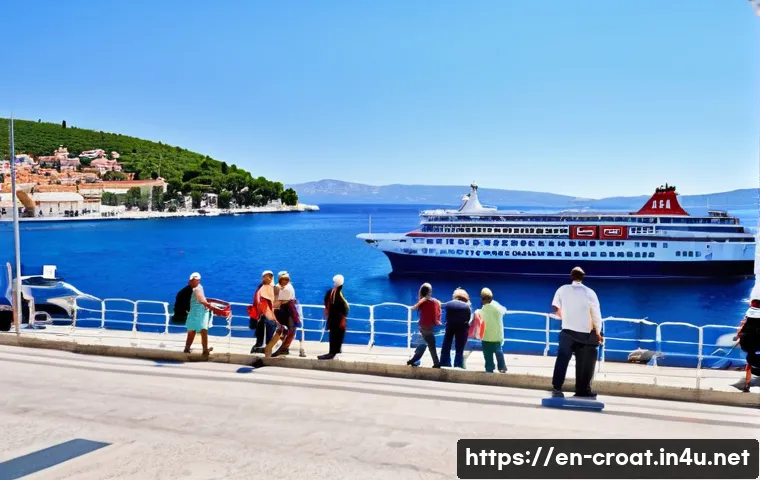
Once you’ve made it to the mainland port, the real fun begins: stepping aboard your ferry to Hvar! This is the part of the journey I always look forward to most; the gentle rocking of the boat, the salty sea breeze, and the anticipation of seeing Hvar’s iconic harbor slowly come into view. You primarily have two types of services connecting the mainland to Hvar: car ferries and catamarans. Understanding the difference is key to a smooth journey. Car ferries, operated mainly by Jadrolinija, are your go-to if you’re bringing a vehicle, and they dock in Stari Grad, a charming town about a 20-minute drive from Hvar Town. Catamarans, on the other hand, are passenger-only, much faster, and typically dock directly in Hvar Town or Jelsa, depending on the operator. I’ve personally used both countless times, and my choice always depends on whether I have a car or if I’m prioritizing speed and direct access to Hvar Town’s vibrant core. There’s something truly exhilarating about pulling into Hvar Town on a catamaran, stepping off right into the heart of the action. It feels like an immediate immersion into the island’s energy. Don’t underestimate the importance of booking your tickets in advance, especially during the high season, as these services can fill up surprisingly fast. I learned this the hard way on my second trip, almost missing my ferry because I assumed I could just show up!
Jadrolinija: The Reliable Workhorse
Jadrolinija is Croatia’s national ferry company, and they are the undisputed champions of car ferries. If you’re planning to explore Hvar with your own wheels, or even if you just prefer a more leisurely journey with plenty of space to walk around, their ferries from Split to Stari Grad are your best bet. The journey takes about two hours, and there’s a real sense of adventure as you watch the mainland recede and the islands slowly appear on the horizon. My advice here is crucial: if you’re traveling during July or August, or on a weekend, *book your car ferry ticket online well in advance!* I’ve seen lines of cars stretching for what feels like miles, all waiting for a spot, and it’s heartbreaking to see people turned away. Even if you’re a foot passenger, it’s wise to grab your ticket ahead of time, especially for popular departure times. The onboard experience is comfortable, with cafes and plenty of seating, making the journey part of the holiday itself. It’s a bit like a mini-cruise, letting you fully unwind before you even reach the island.
Krilo & Other Catamaran Services: Speed and Convenience
For those of you looking to get to Hvar Town directly and quickly, Krilo Shipping (often just called Krilo) and other private catamaran operators are your heroes. These sleek, fast vessels zip across the Adriatic, taking just about an hour from Split to Hvar Town. They are passenger-only, so no cars allowed, which means you’ll be stepping off right into the heart of Hvar’s bustling port, ready to start exploring immediately. I absolutely adore these services when I’m short on time or just eager to get straight to my accommodation without worrying about further transfers from Stari Grad. They often have multiple departures a day during peak season, but – and this is a big *but* – they sell out lightning fast. Seriously, if you have a specific time in mind, especially for weekend travel, be at the ready to book as soon as tickets become available, usually a few weeks to a month in advance. The catamarans are modern and comfortable, often with air conditioning, making the short journey incredibly pleasant. I always recommend grabbing a seat by the window if you can, the views are stunning!
Mastering Your Ticket Strategy: Book Smart, Travel Easy
This might seem like a minor detail, but trust me, getting your ferry tickets sorted correctly can make or break your arrival experience on Hvar. I’ve witnessed firsthand the frustration of travelers who assumed they could just show up and buy a ticket, only to find all services fully booked. This is especially true during the high season (June to September) when Hvar is buzzing with visitors. My golden rule, born from years of travel hiccups and triumphs, is simple: book in advance whenever possible! While it might feel a little restrictive to commit to a specific time, the peace of mind knowing your spot is secured is absolutely priceless. There’s nothing quite like the feeling of confidently walking past the long lines at the ticket counter, knowing your e-ticket is safely tucked away on your phone. Beyond just booking, understanding the different booking windows and cancellation policies can save you from unexpected headaches. Always check the official websites of Jadrolinija and Krilo for the most up-to-date schedules and booking information, as routes and times can occasionally change. Don’t rely solely on third-party sites unless they link directly to the official booking systems, because you want to ensure you’re getting the most accurate information straight from the source. A little proactive planning here goes a very long way in ensuring your journey to Hvar is as smooth as the Adriatic’s calmest waters.
Online Booking: Your Best Friend
For me, online booking has become an indispensable tool for my Hvar trips. Both Jadrolinija and Krilo have user-friendly websites where you can view schedules, check availability, and purchase tickets well in advance. I cannot stress enough how much this reduces stress, especially if you’re traveling with specific deadlines or during peak times. I remember one particular summer, I waited until the last minute to book a catamaran ticket for a Friday afternoon, thinking “it’s only an hour ride, how popular can it be?” Big mistake! Every single catamaran to Hvar Town was fully booked, and I ended up having to scramble for a car ferry to Stari Grad and then a bus, adding an extra two hours and a fair bit of panic to my journey. Learn from my misstep: use those online booking portals! They’re usually very straightforward, you’ll receive an e-ticket, and you can often even manage changes if your plans shift (though always check the specific cancellation/change policies). Having that confirmation email in your inbox feels like a warm hug, assuring you that your Hvar adventure is indeed on track.
In-Person Purchases & Peak Season Pro-Tips
While online booking is my go-to, I understand that sometimes it’s just not possible, or maybe you’re spontaneously deciding to visit. If you absolutely *must* buy in person, aim to do so as early in the day as possible, especially for evening departures or weekend travel. The ticket offices at the Split ferry port open early, and that’s when you’ll find the shortest queues. I’ve woken up at dawn more than once to secure a specific ticket, and it’s always been worth it. During peak season, consider traveling on a weekday if your schedule allows, as ferries tend to be less crowded than on Fridays, Saturdays, and Sundays. Another insider tip: if your preferred direct catamaran to Hvar Town is fully booked, don’t despair! Check for routes to Stari Grad (via car ferry) or even Jelsa (another catamaran port on Hvar). From Stari Grad or Jelsa, local buses or taxis can easily get you to Hvar Town. It might add a little extra leg to your journey, but it’s a fantastic backup plan that has saved my trip more times than I can count. Flexibility and a little local knowledge are your best friends here!
Beyond the Ferry: Reaching Your Hvar Accommodation
You’ve conquered the air and the sea, and now you’re finally on Hvar Island! Congratulations! But the journey isn’t quite over yet. Depending on where your ferry docked and where your accommodation is, you’ll have a few more steps to take. If you’ve arrived by catamaran directly into Hvar Town, you’re in luck! Most accommodations in the town center are within easy walking distance, or a short taxi ride away. The port is right in the heart of everything, making for a truly seamless arrival experience. However, if you arrived via the car ferry in Stari Grad, which is about 20 minutes by road from Hvar Town, or if your accommodation is in another charming village like Jelsa or Vrboska, you’ll need to arrange onward transport. This is where a little pre-planning really pays off. I always make sure to have a clear plan for this final leg, whether it’s knowing the bus schedule, having a taxi number, or confirming a pre-booked transfer. There’s nothing worse than arriving after a long journey only to be unsure how to get to your bed! Remember, Hvar is a relatively small island, but getting from one end to another without a car does require a bit of coordination. The rewards, however, are absolutely worth it, as each little village on Hvar offers its own unique charm and beauty.
From Hvar Town Port to Your Stay
Arriving directly in Hvar Town by catamaran is pure bliss. The port itself is a vibrant hub, surrounded by cafes, restaurants, and the beautiful Riva promenade. If your accommodation is centrally located, you might even be able to spot it from the ferry as you pull in! I often book places within a 5-10 minute walk of the port, which means I can just roll my suitcase right to the front door. For those staying a bit further up the hills, or with heavier luggage, taxis are readily available right at the port exit. You’ll see them waiting, usually quite clearly marked. Always confirm the price before you get in, just to avoid any surprises! Many hotels and guesthouses also offer private transfers, and if you’ve booked a particularly luxurious spot, this might even be included. I recommend checking with your accommodation in advance to see what they offer; sometimes they have preferred taxi drivers or shuttle services that can make your arrival even smoother. Walking into Hvar Town from the ferry, with the sun shining and the buzz of the island around you, is truly an unforgettable experience and sets the perfect tone for your holiday.
Connecting from Stari Grad and Jelsa
If your ferry has dropped you off in Stari Grad (most likely by car ferry) or Jelsa (sometimes by catamaran), you’ll need to make a quick onward journey to Hvar Town or your specific destination. From Stari Grad, there’s a very reliable local bus service that connects to Hvar Town. These buses are timed to coincide with the ferry arrivals and departures, which is incredibly convenient. The bus ride takes about 20-25 minutes and offers some lovely views of the island’s interior. Taxis are also available at the Stari Grad ferry port, and while a bit more expensive than the bus, they offer direct service and are a good option if you have lots of luggage or prefer private transport. My personal experience has been that the bus is perfectly fine, and it’s a great way to save a few Euros for another delicious Croatian meal. From Jelsa, similar bus and taxi options exist to connect you to other parts of the island. Always check the local bus schedules upon arrival or even better, before you travel, as they can sometimes vary seasonally. It’s all part of the adventure of island life!
Smart Packing & Travel Essentials for Island Hopping
As an avid island hopper in Croatia, I’ve learned that what you pack, and how you pack it, can profoundly impact your travel experience. Navigating ferries, buses, and cobblestone streets with oversized or awkward luggage is a surefire way to dampen the start of your Hvar adventure. My ultimate tip, honed over many trips, is to pack light and efficiently. Think versatile pieces that can be mixed and matched, and definitely prioritize comfort. You’ll be doing a fair bit of walking, whether it’s exploring ancient towns or strolling along scenic promenades. Beyond clothes, remember to bring those essential travel documents, adapters for your electronics (European two-pin plugs are standard), and a good power bank – because you’ll be taking a *lot* of photos! I also always make sure to have a small daypack for excursions, perfect for water, snacks, sunscreen, and a good book. And speaking of sunscreen, Hvar’s sun is glorious but can be intense, so a high SPF is non-negotiable. Don’t forget a reusable water bottle to stay hydrated and reduce plastic waste, something I’ve become very passionate about during my travels. A comfortable pair of walking shoes and some stylish sandals will cover most of your footwear needs, leaving just enough room for that perfect swimsuit!
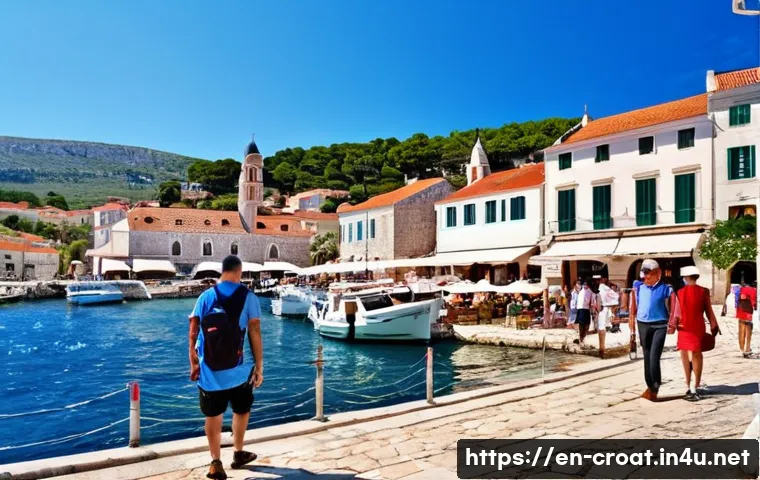
Luggage Wisdom: Less is Truly More
If there’s one piece of advice I can shout from the rooftops, it’s this: pack light! Seriously, especially when you’re dealing with ferries, potentially multiple transfers, and charming but uneven ancient streets. You’ll thank me when you’re not dragging a monstrous suitcase up a flight of stairs or trying to squeeze it onto a crowded bus. I personally live by the rule of one carry-on sized bag and a small personal item for most of my trips to Hvar, even for a week or more. Rolling your clothes, using packing cubes, and choosing quick-drying fabrics can make a huge difference. Remember, there are laundromats on Hvar if you absolutely need to wash something, so you don’t need a fresh outfit for every single day. My first trip, I brought way too much, thinking I needed options for every possible scenario. I quickly realized that a few versatile dresses or shorts/tops, plus swimwear, covers practically everything. Plus, less luggage means more room for souvenirs, or even better, fewer things to worry about losing!
Essential Gadgets & Documents
Beyond your wardrobe, a few key items will make your Hvar trip run smoother. First, your passport/ID and any necessary visas – obvious, but always worth a double-check! Next, your travel documents: flight confirmations, ferry tickets (digital copies on your phone are perfect), and accommodation details. I always keep digital copies in my email and on a cloud service, just in case. For gadgets, a universal travel adapter is a must for charging all your devices. A portable power bank has saved me countless times when my phone battery dies after a day of navigation and photo-taking. And don’t forget a good pair of headphones for the ferry rides – perfect for enjoying the views with your favorite playlist. A waterproof phone pouch is also a genius idea if you plan on spending time by the water or doing any boat trips. And finally, bring a small first-aid kit with basics like pain relievers, band-aids, and any personal medications, because sometimes pharmacies aren’t as conveniently located as you’d hope, especially in smaller villages. These little details can really elevate your travel comfort and preparedness.
Embracing Sustainable Hvar: Traveling with Conscience
As much as I adore Hvar for its stunning beauty and vibrant atmosphere, I’ve also become increasingly aware of the importance of traveling sustainably. It’s a responsibility we all share to help preserve this incredible island for future generations. My approach to travel has really evolved over the years, from just seeking adventure to actively looking for ways to minimize my impact. Hvar, like many popular destinations, faces challenges from overtourism, and every little bit we do helps. This means making conscious choices, from how we get around to what we consume. It’s about respecting the local culture, supporting local businesses, and being mindful of the island’s delicate ecosystem. I’ve found that when you actively seek out sustainable options, your travel experience actually becomes richer, connecting you more deeply with the place you’re visiting. It’s not about sacrificing enjoyment; it’s about enhancing it through thoughtful choices. From choosing public transport over constant taxis to being mindful of water usage, these small actions collectively make a big difference. Let’s keep Hvar beautiful, together.
Eco-Friendly Transport Choices on the Island
Once you’re on Hvar, you’ll find plenty of ways to explore sustainably. For getting around Hvar Town and to nearby beaches, walking is often your best bet – it’s free, healthy, and lets you discover hidden gems you’d otherwise miss. For longer distances, the local bus network is surprisingly efficient and connects the major towns like Hvar Town, Stari Grad, and Jelsa. I always try to utilize the buses as much as possible; it’s a fantastic way to meet locals and fellow travelers, and significantly reduces your carbon footprint compared to renting a car for short trips. If you want a bit more freedom, consider renting a scooter or a bicycle. Hvar has some incredible cycling routes, and scootering around offers that classic island vibe without excessive emissions. Some rental companies even offer electric scooters or bikes now, which is an even better option. I usually rent a bicycle for at least a day to explore the quieter parts of the island, stopping at vineyards and olive groves along the way. It’s a wonderful way to experience Hvar at a slower, more intimate pace.
Supporting Local & Minimizing Your Footprint
One of the most impactful ways to travel sustainably on Hvar is by supporting local businesses. Instead of mass-produced souvenirs, seek out local artisans selling handmade crafts. Dine at family-run konobas (traditional taverns) that use locally sourced ingredients – you’ll not only get incredible, authentic food but also contribute directly to the island’s economy. When I’m on Hvar, I make a point of buying fresh produce from the local markets; the taste is incomparable, and you’re supporting local farmers. Another critical aspect is minimizing your waste. Hvar is an island with finite resources, so reducing plastic use is vital. Carry a reusable water bottle and refill it, say no to plastic straws, and properly dispose of your trash. Be mindful of water and electricity consumption in your accommodation – every drop and every watt counts. Lastly, respect the natural environment. Stick to marked trails, don’t disturb wildlife, and definitely don’t litter on the beaches or in the pristine Adriatic waters. By being a conscious traveler, you help ensure Hvar remains a paradise for everyone to enjoy for years to come.
| Route Segment | Primary Options | Key Considerations |
|---|---|---|
| Airport to Ferry Port (Split) | Airport Bus, Taxi, Private Transfer | Bus is affordable and frequent (~30-40 min). Taxis are faster but pricier. |
| Split to Hvar Island (Vehicle) | Jadrolinija Car Ferry (to Stari Grad) | Essential for cars. Book *well* in advance in peak season. Journey ~2 hours. |
| Split to Hvar Island (Passenger) | Krilo / Other Catamaran (to Hvar Town or Jelsa) | Fastest option (to Hvar Town ~1 hour). Passenger-only. Sells out quickly, book early! |
| Dubrovnik to Hvar Island | Bus to Split + Ferry / Seasonal Catamaran | Longer journey. Bus to Split is 3-4 hours. Seasonal direct catamarans exist but are less frequent. |
| On-Island Transfer (Stari Grad to Hvar Town) | Local Bus, Taxi, Rental Car/Scooter | Local buses are timed with ferry arrivals. Taxis are always available. |
Wrapping Things Up
Well, fellow wanderers, we’ve covered quite a journey, haven’t we? From touching down in Croatia to finally stepping onto the sun-drenched shores of Hvar, it’s a series of steps that, with a little foresight, can transform from a travel chore into an exciting part of your adventure. My own travels have taught me that while the allure of Hvar is undeniable, the true magic often begins even before you arrive, in the careful planning and smart choices you make. Remember that feeling of anticipation as your ferry glides across the Adriatic, or the relief of knowing your transfer is sorted? That’s what we aim for – a journey that’s as enjoyable and stress-free as the destination itself. So, take these tips, infuse them with your own adventurous spirit, and get ready to create some truly unforgettable memories on one of the most beautiful islands in the world. Hvar awaits, and I promise you, it’s absolutely worth every bit of planning. Go forth and explore, you seasoned traveler, you!
Useful Information to Know
1. Always Double-Check Ferry Schedules: While I’ve given you the lowdown on major routes, ferry schedules, especially catamaran times, can shift with the seasons or even due to weather. Before you finalize your plans, do yourself a huge favor and check the official Jadrolinija and Krilo websites for the absolute latest timings. It only takes a minute and can save you hours of waiting or, worse, a missed connection. Trust me, I’ve seen enough bewildered faces at the port to know this is a golden rule!
2. Consider Travel Insurance: As an experienced traveler, I’ve learned that sometimes, despite all your best efforts, things go awry. Flights get delayed, luggage goes missing, or an unexpected change of plans forces a cancellation. Having comprehensive travel insurance can be a real lifesaver, covering everything from medical emergencies to lost bookings. It’s one of those things you hope you never need, but are incredibly grateful for if you do, offering true peace of mind on your Croatian getaway.
3. Embrace Early Mornings for Ticket Purchases (if in person): If, for some reason, you find yourself needing to buy tickets directly at the port, plan to arrive early. Like, *really* early, especially during July and August. The ticket windows can get incredibly busy, and securing your spot on a popular ferry or catamaran is much easier before the crowds descend. I’ve often enjoyed a peaceful morning coffee at the port, ticket in hand, watching the sunrise while others are still rushing.
4. Offline Maps Are Your Friend: While Croatia has decent mobile coverage, there are always those charming, secluded spots where signals vanish. Before you head out exploring Hvar, download offline maps of the island (Google Maps allows this easily). This way, you can navigate walking trails, find hidden beaches, or simply get back to your accommodation without relying on an internet connection. It’s a simple trick that has saved me from countless moments of confusion and allowed for more spontaneous exploration.
5. Learn a Few Basic Croatian Phrases: While English is widely spoken in tourist areas, especially on Hvar, making an effort to learn a few local phrases goes a long way. A simple “Dobar dan” (Good day), “Hvala” (Thank you), or “Molim” (Please) can really endear you to locals. It shows respect for their culture and can often open doors to more authentic interactions, transforming a good trip into an amazing one. Locals truly appreciate the effort, and it’s a wonderful way to connect with the island’s heart.
Key Takeaways
So, as you plan your incredible trip to Hvar, remember these core insights to ensure a smooth and truly unforgettable experience. Firstly, your choice of arrival airport is paramount; aim for Split (SPU) for the most straightforward connections to the island, saving you precious travel time. Secondly, master your ferry strategy: always book your car ferry or catamaran tickets well in advance, especially during the bustling summer months, to avoid disappointment. This proactive approach is the single biggest factor in reducing arrival day stress. Thirdly, once you’re on the island, embrace the efficient local transport options – buses, taxis, or even renting a scooter or bicycle – to explore Hvar’s diverse beauty sustainably. And finally, always travel with an open mind and a spirit of adventure. Hvar is more than just a destination; it’s an experience waiting to unfold, one that’s richly rewarding when approached with a little planning and a lot of excitement. By keeping these tips in mind, you’re not just going to Hvar; you’re setting yourself up for an absolutely epic Croatian adventure that will undoubtedly leave you longing to return.
Frequently Asked Questions (FAQ) 📖
Q: uestions
A: bout Getting to Hvar
Q: What’s the absolute best and easiest way to reach Hvar Town once I land at Split
A: irport? A1: Oh, this is a question I get all the time! Having done this dance myself more than a few times, I can confidently say the smoothest transition from Split Airport to Hvar Town involves a quick transfer to the Split ferry port, followed by a high-speed catamaran.
There isn’t a direct ferry from Split Airport to Hvar, so you’ll always need to make your way to the main Split Port first. From the airport, you have a few options: a pre-booked private transfer (which I personally love for the sheer convenience after a long flight!), a taxi, or the airport shuttle bus.
The shuttle bus is generally the most budget-friendly, dropping you right at the bus terminal, which is a short walk to the ferry port. Once you’re at the Split Port, you’ll hop on a catamaran, which takes you directly to Hvar Town in about an hour.
It’s truly the most convenient option for foot passengers, and the views as you approach Hvar are just breathtaking – a perfect welcome to island life!
Q: Which ferry companies operate between Split and Hvar, and how far in advance should I book my tickets, especially during the bustling summer months?
A: Navigating the ferry options can feel a bit like a puzzle at first, but trust me, it’s straightforward once you know the players! You’ll mainly encounter Jadrolinija, TP Line, and Krilo (Kapetan Luka).
These companies offer frequent high-speed catamaran services, primarily for foot passengers, which will get you from Split to Hvar Town quickly. Jadrolinija also runs larger car ferries to Stari Grad, another port on Hvar, which is ideal if you’re bringing a vehicle.
Now, for booking – this is crucial! If you’re planning a summer escape (think June to September), I cannot stress this enough: book your tickets in advance.
I’ve seen countless travelers disappointed because ferries, especially the popular direct routes to Hvar Town, sell out. My rule of thumb is at least a month ahead for peak season, but even earlier is better to snag your preferred times.
If you’re traveling during the shoulder seasons (May or October), you might get away with booking a few days prior, but still, better safe than sorry, right?
Online booking is definitely the way to go to avoid queues and secure your spot.
Q: Are there any specific insider tips to ensure a super smooth and stress-free journey to Hvar that most first-timers might miss?
A: Absolutely! Having learned a few lessons the hard way myself, here are my top stress-busters. First, always double-check the ferry schedules on the official company websites (Jadrolinija.hr and Krilo.hr are your best friends!).
Schedules can change, especially outside of peak summer, and you don’t want to miss your boat. Second, if you’re traveling in July or August, be prepared for crowds at the Split ferry port and arrive at least 30-45 minutes before your catamaran departure to ensure a good spot and smooth boarding – those window seats go fast for the best views!
Third, pack light if you can. While catamarans generally have luggage racks, hauling heavy suitcases through bustling ports and up hotel steps can be tiring.
A good backpack or a compact roller bag makes a huge difference. Finally, consider the time of year. While summer is vibrant, the shoulder seasons (May, early June, or September) offer fantastic weather with fewer crowds and often better prices for accommodation and transfers.
It’s a completely different, more serene experience that I often recommend for a truly relaxing trip.