Planning a trip to Croatia this year? Before you pack your bags, it’s crucial to get up to speed on the latest COVID-19 travel guidelines that could impact your journey.
With travel rules evolving rapidly across Europe, staying informed ensures a smooth and worry-free experience. Whether you’re chasing the sun along the Adriatic coast or exploring historic towns, knowing what’s required at the border can save you time and stress.
Let’s dive into the most recent updates so you can travel confidently and enjoy every moment of your Croatian adventure.
Understanding Entry Requirements for Croatia
Who Needs to Show Proof of Vaccination or Testing?
Travelers arriving in Croatia should be aware that the requirements vary depending on vaccination status, age, and country of origin. Fully vaccinated travelers typically need to show proof of a complete vaccination series with an approved vaccine.
However, if you’re unvaccinated or only partially vaccinated, a negative PCR test taken within 72 hours before arrival or a rapid antigen test within 48 hours is generally required.
Children under a certain age, often under 12, may be exempt from testing and vaccination rules, but it’s best to confirm this before traveling. Knowing these distinctions beforehand can help you avoid last-minute issues at the border.
Accepted Vaccines and Certificates
Croatia recognizes vaccines authorized by the European Medicines Agency (EMA), including Pfizer-BioNTech, Moderna, AstraZeneca, and Johnson & Johnson.
Additionally, vaccines approved by the World Health Organization (WHO) Emergency Use Listing are also accepted. Digital COVID certificates from the EU, as well as paper certificates with QR codes, are valid for entry.
If your vaccine certificate is not in English or Croatian, having a translated version might be necessary to speed up border control. I found that preparing all documents digitally and in print helped me breeze through without any confusion.
Quarantine Regulations and Exceptions
Depending on your vaccination status and the country you’re traveling from, quarantine may or may not be required. Fully vaccinated travelers and those who have recovered from COVID-19 within the last 180 days are usually exempt from quarantine.
On the other hand, unvaccinated visitors might have to quarantine for up to 10 days, though some exceptions exist for travelers from low-risk countries.
For example, travelers who test negative upon arrival or on the fifth day can often end quarantine early. Being clear on these rules in advance can save you from unexpected delays or cancellations.
How to Stay Updated on Croatia’s Travel Rules
Official Sources to Check Before Departure
The most reliable way to stay informed is by regularly checking official government websites, such as the Croatian Ministry of Health and the Ministry of the Interior.
These sites update travel advisories and entry requirements frequently, reflecting the latest changes in pandemic conditions. Signing up for email alerts or following official social media channels can also ensure you receive timely notifications.
I personally set reminders to check these sources a week before my trip and again a day before flying to avoid any surprises.
Apps and Digital Tools for Travelers
Using travel apps that provide real-time updates on COVID-19 restrictions can make your journey smoother. Some popular apps offer country-specific information on testing locations, vaccine verification, and quarantine rules.
Croatia also supports the EU Digital COVID Certificate app, which simplifies the verification process at the border. Installing these apps beforehand, and familiarizing yourself with their features, proved incredibly helpful during my last trip.
They also often include local health guidelines and emergency contact numbers.
What to Do If Rules Change While You’re There
Given the unpredictable nature of the pandemic, travel rules can change even after you arrive. It’s wise to stay flexible with your plans and keep an eye on local news.
Many hotels and tour operators are now more accommodating with cancellations or rescheduling due to COVID-19 changes. Having travel insurance that covers pandemic-related disruptions is another layer of protection I strongly recommend.
If you do find yourself needing to extend your stay or quarantine, knowing the local health authorities’ contacts and procedures beforehand will reduce stress.
Testing and Vaccination Facilities Within Croatia
Where to Get Tested on Arrival or During Your Stay
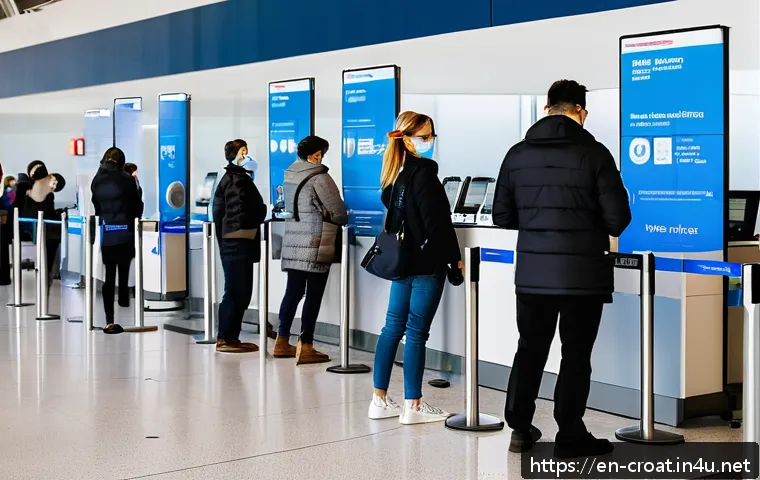
Croatia offers numerous testing centers in major cities and popular tourist destinations. Airports such as Zagreb, Split, and Dubrovnik have PCR and rapid antigen testing facilities on-site or nearby.
Many private clinics and pharmacies also provide testing services with results typically available within 24 to 48 hours. Booking your test in advance online can save time, especially during peak travel seasons.
From my experience, testing in Dubrovnik was straightforward, and staff were very helpful in explaining the process.
Vaccination Availability for Visitors
Although primarily aimed at residents, some Croatian health centers allow tourists to get vaccinated if needed. If you’re planning a longer stay and require vaccination, it’s worth contacting local health authorities or your accommodation for guidance.
Keep in mind that vaccine supplies and eligibility criteria might vary, so early inquiries are crucial. Getting vaccinated locally may also ease your travel back home or to other countries.
Self-Isolation and Support Services
If you test positive while in Croatia, you’ll need to self-isolate according to local health guidelines. Some hotels offer quarantine packages that include meals and medical supervision.
Additionally, local authorities provide support for essential needs during isolation periods. Having a list of nearby pharmacies, hospitals, and emergency numbers handy is a smart precaution.
I once had a friend who tested positive unexpectedly, and having this information saved a lot of stress and confusion.
Mask Mandates and Social Distancing Rules

Current Indoor and Outdoor Mask Policies
Masks remain mandatory in many indoor public spaces, including public transport, healthcare facilities, and certain stores. Outdoor mask requirements are generally relaxed unless in crowded areas or during events.
Some regions or cities might impose stricter rules depending on local infection rates. Wearing a mask in Croatia felt quite normal and was respected by locals, so carrying a few disposable or reusable masks is advisable to avoid any inconvenience.
Social Distancing and Capacity Limits
Most public venues like restaurants, bars, and museums operate with some form of social distancing measures in place. This might include limited seating capacity, spaced-out queues, and controlled entry points.
While these restrictions have eased compared to earlier stages of the pandemic, being mindful of your surroundings and maintaining some distance remains a good practice.
I noticed that many establishments still encouraged hand sanitizing and contactless payments to minimize contact.
Impact on Local Events and Gatherings
Large events, festivals, and gatherings in Croatia might have specific entry requirements such as proof of vaccination or a negative test. These rules can vary widely depending on the event organizer and local health authorities.
Checking event websites or contacting organizers ahead of time can help you prepare accordingly. Personally, attending a music festival in Croatia last summer meant showing my EU Digital COVID Certificate at the entrance, which was straightforward and quick.
Travel Insurance and Health Care Access
Why COVID-19 Travel Insurance Matters
Given the unpredictable nature of the pandemic, having travel insurance that covers COVID-19 related issues is essential. This includes coverage for medical treatment, quarantine costs, and trip cancellations or interruptions.
Many insurance providers now offer specific pandemic-related packages, so it’s worth comparing plans before booking your trip. When I traveled recently, my insurance covered testing and hospital care, which gave me peace of mind throughout the journey.
Accessing Medical Services While in Croatia
Croatia’s healthcare system is well-equipped to handle COVID-19 cases, with designated hospitals and clinics for treatment. Tourists needing medical attention should visit public health centers or private clinics, depending on severity.
English-speaking medical staff are commonly available in tourist areas. It’s a good idea to keep your insurance details and emergency contacts easily accessible.
During my visit, the medical staff were professional and compassionate, which made a potentially stressful situation much easier.
Emergency Contacts and Assistance
In case of emergencies, dialing 112 connects you to emergency services across Croatia. The Croatian Institute of Public Health also provides hotlines for COVID-19 information and guidance.
Many embassies and consulates maintain support lines for their citizens abroad. Having these numbers saved on your phone and printed out can be a real lifesaver.
I always make sure to have this info handy, especially when traveling solo or to less familiar destinations.
Summary of Key Entry Rules and Testing Requirements
| Traveler Category | Proof Required | Testing Requirements | Quarantine |
|---|---|---|---|
| Fully Vaccinated | Valid vaccine certificate (EMA/WHO approved) | No test required if certificate valid | No quarantine |
| Partially Vaccinated / Unvaccinated | Negative PCR (within 72h) or antigen test (within 48h) | Must present negative test on arrival | Up to 10 days, can end early with negative test |
| Recovered from COVID-19 (past 180 days) | Recovery certificate | No test required | No quarantine |
| Children under 12 | Usually exempt | No test required | No quarantine |
Closing Thoughts
Traveling to Croatia requires careful preparation, especially regarding vaccination, testing, and quarantine rules. Staying informed through official channels and having all necessary documents ready can make your entry smooth and hassle-free. From my experience, being proactive about updates and local regulations truly eases the journey. With the right planning, you can focus on enjoying Croatia’s stunning landscapes and vibrant culture without worries.
Helpful Information to Keep in Mind
1. Always verify your vaccination certificates are recognized by Croatia, preferably EMA or WHO approved.
2. Children under 12 are generally exempt from testing and quarantine, but double-check current rules before traveling.
3. Booking COVID-19 tests in advance at airports or clinics saves time and avoids last-minute stress.
4. Download the EU Digital COVID Certificate app and other relevant travel apps to simplify document verification.
5. Consider purchasing travel insurance that covers COVID-19 related medical care and disruptions for peace of mind.
Key Takeaways
Understanding Croatia’s entry requirements is essential for a smooth trip. Fully vaccinated travelers benefit from fewer restrictions, while unvaccinated visitors face stricter testing and quarantine rules. Staying updated through official sources prevents surprises, and knowing where to get tested or vaccinated locally adds convenience. Mask mandates and social distancing remain important for safety, and having travel insurance ensures you’re covered in case of unexpected health issues. Being prepared not only protects your health but also enhances your overall travel experience in Croatia.
Frequently Asked Questions (FAQ) 📖
Q: uestions about Croatia COVID-19 Travel GuidelinesQ1: What are the current entry requirements for travelers to Croatia regarding COVID-19?
A: As of now, Croatia requires travelers to either be fully vaccinated with an approved COVID-19 vaccine, have recovered from COVID-19 within the past six months, or present a negative PCR or rapid antigen test taken within 48 hours before arrival.
These rules apply to most international visitors, but it’s always best to check for any specific exceptions based on your country of origin. I recently flew in and found the process straightforward as long as you have the right documents ready at the border.
Q: Do I need to quarantine upon arrival in Croatia if I test positive or show symptoms?
A: Yes, if you test positive for COVID-19 upon arrival or develop symptoms during your stay, Croatian health authorities require you to self-isolate for a period determined by local health guidelines, typically around 10 days.
Hotels and accommodations usually assist with necessary arrangements, but you should be prepared with travel insurance that covers such scenarios. From experience, having a flexible itinerary helped me avoid stress when unexpected health issues arose.
Q: Are there any COVID-19 restrictions or protocols I should expect while traveling within Croatia?
A: Within Croatia, mask mandates and social distancing measures have largely relaxed, especially outdoors, but some indoor venues like museums, theaters, or public transport may still require masks or proof of vaccination.
Many places also encourage contactless payments and have enhanced hygiene protocols. When I visited popular tourist spots, staff were friendly and enforced rules politely, making the experience safe without feeling restrictive.
Always carry a mask just in case, especially in crowded or enclosed spaces.