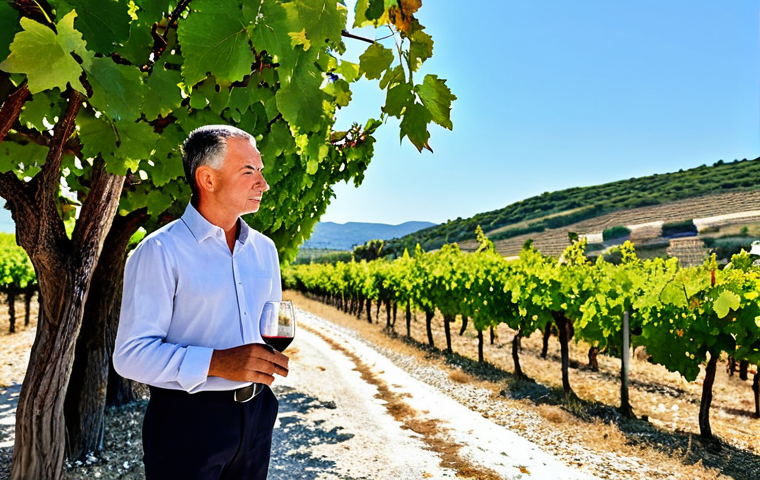
Forget what you think you know about European wines. I’d heard whispers about Croatia’s burgeoning scene, but it wasn’t until I personally embarked on a tasting journey across its sun-drenched vineyards that my perception was completely redefined.
Imagine: ancient varietals, fiercely protected by dedicated local winemakers, now finally stepping into the global spotlight. This reflects a major trend towards unique, regionally-distinctive experiences, far beyond the usual suspects.
If you’re ready to truly elevate your palate with exceptional sips that will leave a lasting impression, then you’re in for a treat. Let’s explore in detail below.
The Sun-Kissed Soul of Dalmatian Vineyards
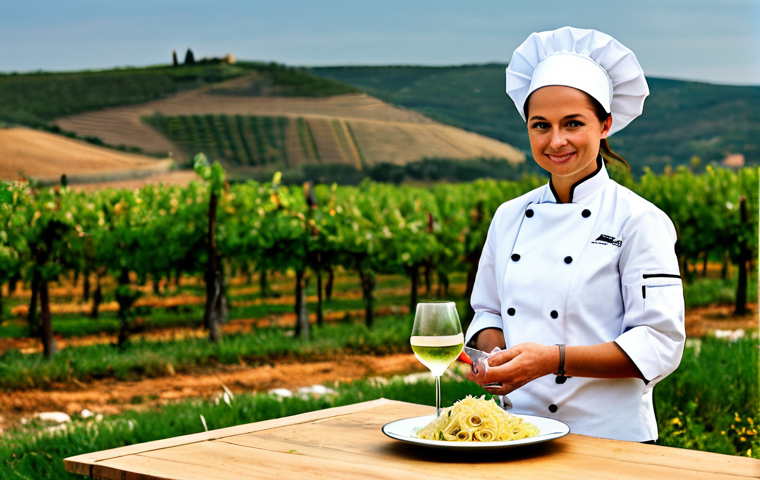
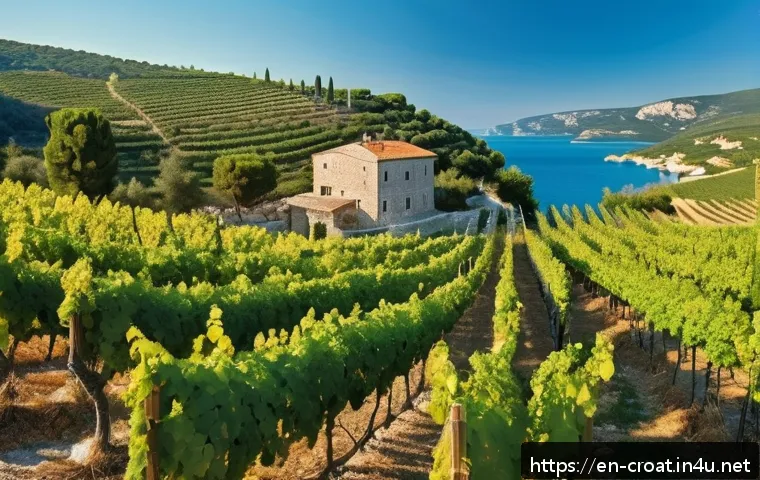
My journey truly began in Dalmatia, a region where the sun seems to permanently kiss the ancient vines, and the Adriatic breeze carries whispers of history through every grape.
It’s an almost spiritual experience to stand in a vineyard overlooking the sparkling blue sea, knowing that generations before me have nurtured these very plants.
This isn’t just about wine; it’s about connecting with a deeply ingrained way of life, where winemaking is an art passed down through families, each bottle telling a story of resilience, passion, and the unique microclimates of Croatia’s stunning coastline.
I remember tasting a Plavac Mali right there on a terrace, the salt air on my skin, and realizing I was experiencing something truly special, something that couldn’t be replicated anywhere else in the world.
The intense ruby color, the dark fruit notes, and that unmistakable savory finish just captured the essence of the place. It felt like uncovering a secret that the rest of the world was just starting to learn about.
Unlocking the Secrets of Plavac Mali
This king of Dalmatian reds, Plavac Mali, is often described as a bold, full-bodied varietal, and it absolutely lives up to that reputation. But what really struck me was the sheer diversity within the varietal itself, depending on where it’s grown.
From the steep, almost vertical slopes of Dingač on the Pelješac peninsula, where the vines literally bake under triple insolation (direct sun, reflected sun from the sea, and reflected sun from the stone), to the more fertile plains of Hvar, each sub-region imparts its own character.
The Dingač and Postup wines, with their intense concentration and often higher alcohol, are profound, almost meditative sips. They speak of struggle and triumph, of grapes that push through extreme conditions to deliver something truly remarkable.
I found myself savoring these powerful reds, pairing them with robust local dishes like pašticada, a slow-cooked beef stew, and the harmony was simply sublime.
It made me appreciate not just the wine, but the incredible effort and dedication that goes into producing it in such challenging terrain. The winemakers here are true heroes of the vine.
Beyond the Red: White Gems of the Coast
While Dalmatia is famous for its powerful reds, dismissing its white wines would be a grave mistake. My palate was pleasantly surprised by the elegant Pošip and the aromatic Grk, especially those from the island of Korčula.
Pošip, with its beautiful golden hue, offers a captivating bouquet of apricot, almond, and Mediterranean herbs, often with a lovely mineral streak that reflects the island’s limestone soils.
It’s a wonderfully versatile wine, crisp enough for a hot summer day yet complex enough to accompany grilled seafood or even poultry. Grk, on the other hand, is a true enigma; a monoecious varietal, meaning it only has female flowering parts and needs other vines to pollinate it, making it incredibly rare and sought after.
Its unique bitter almond finish, coupled with notes of citrus and a saline edge, makes it utterly unforgettable. Discovering these whites felt like finding hidden treasures, each offering a distinct expression of the Dalmatian landscape and a refreshing contrast to the region’s robust reds.
They truly elevate the coastal culinary experience.
Exploring the Verdant Valleys of Inland Croatia
Moving inland, away from the immediate coast, offers an entirely different, yet equally captivating, viticultural landscape. The continental climate, with its colder winters and warmer summers, fosters a different set of varietals and wine styles, often characterized by crisp acidity and aromatic profiles.
This region, encompassing areas like Slavonia and the Croatian Uplands, felt like stepping into a pastoral dream, with rolling hillsides blanketed in vineyards that stretch as far as the eye can see.
My initial thought was that it would be a stark contrast to the dramatic Dalmatian coast, and in many ways, it was, but the beauty and dedication to winemaking were just as profound.
It’s here that you find a stronger influence from Central European winemaking traditions, yet with a distinctly Croatian twist that makes these wines unique.
I remember driving through the picturesque landscapes, the air filled with the scent of blossoming linden trees, and feeling a deep sense of peace and discovery.
Graševina: The Unsung Hero of the North
If Plavac Mali is the king of the south, then Graševina is undoubtedly the queen of continental Croatia. This varietal, known elsewhere as Welschriesling, truly shines here, showing an incredible range from crisp, refreshing dry wines to lusciously sweet dessert wines.
I was particularly impressed by its versatility and consistency across different producers. A well-made Graševina offers bright acidity, notes of green apple, citrus, and sometimes a hint of white pepper or even a subtle floral character.
It’s incredibly food-friendly, pairing wonderfully with lighter fare, freshwater fish, or even simply enjoyed on its own as an aperitif. What truly amazed me was how many winemakers I met here had a genuine, almost personal relationship with their Graševina vines, treating them with immense respect and understanding their every nuance.
It speaks volumes about the dedication to this particular grape, a varietal that truly embodies the spirit of inland Croatian winemaking.
Beyond Graševina: Aromatic Whites and Elegant Reds
While Graševina reigns supreme, the continental regions also surprise with a delightful array of other varietals. I encountered some truly elegant Pinot Noir, particularly from the Plešivica region, which show a delicacy and finesse that rival some more famous European counterparts.
These often display beautiful red berry notes, earthy undertones, and a silky texture that made them incredibly enjoyable. For aromatic whites, there are lovely examples of Sauvignon Blanc, often with vibrant herbaceous and tropical fruit notes, and even some intriguing sparkling wines made using the traditional method, showcasing Croatia’s capability to produce wines for every occasion.
This diversity is what makes Croatian wine so exciting – there’s always something new to discover, a different style, a different expression, proving that this country is far from a one-trick pony in the global wine scene.
My personal favorite was a sparkling wine from Plešivica, tasted during sunset over the vineyards; it was truly unforgettable.
The Unique Terroirs of Istria: A Culinary & Wine Paradise
Istria, the heart-shaped peninsula in the north, feels like a little slice of Tuscany or Provence, but with a distinctly Croatian soul. Its rolling hills, ancient olive groves, and truffle-rich forests create an idyllic backdrop for vineyards that produce some of the country’s most distinctive and critically acclaimed wines.
What really captivated me about Istria was the way wine is so seamlessly interwoven with the region’s incredible culinary traditions. Here, a glass of local Malvazija or Teran isn’t just a beverage; it’s an essential part of the gastronomic experience, elevating dishes like fresh seafood, homemade pasta with truffles, or succulent cured meats.
The passion the Istrians have for their indigenous varietals and the pride they take in their land is palpable, making every winery visit feel like a genuine invitation into their heritage.
It’s a region that demands slow exploration, allowing the senses to fully absorb the rich tapestry of flavors, aromas, and breathtaking vistas.
Malvazija Istarska: Istria’s Golden Standard
Malvazija Istarska is undoubtedly the flagship white grape of Istria, and experiencing it from its homeland is a revelation. While some might think of Malvasia as a general varietal, the Istrian expression is unique, characterized by its beautiful golden color, pronounced aromatics of acacia flower, ripe apple, and almond, often with a fascinating mineral salinity that speaks of its proximity to the sea and its unique flysch soil.
I found that different producers coax out different facets of its personality; some opt for fresh, unoaked styles that are vibrant and zesty, perfect for summer sipping or light appetizers, while others embrace skin contact or oak aging, resulting in more complex, textured wines with incredible aging potential.
These bolder Malvazijas, often referred to as “orange wines,” offer a captivating journey for the palate, revealing layers of dried fruit, honey, and spice.
My most memorable moment was pairing a skin-contact Malvazija with freshly shaved black truffles – a pairing that felt divinely inspired.
Teran: The Robust Red of Istria
For red wine lovers, Istria offers Teran, a powerful and rustic varietal that perfectly embodies the region’s robust character. This indigenous grape, often high in acidity and tannins, produces wines with deep ruby hues, intense aromas of wild berries, black pepper, and sometimes a distinct earthy or even iron-like minerality.
It’s a wine that demands attention and truly shines when paired with hearty Istrian cuisine, particularly game meats, cured prosciutto, or the famous Istrian fuži pasta with rich sauces.
I recall enjoying a glass of Teran with a plate of local boar ragu, and the wine’s structure and vibrant acidity cut through the richness of the dish beautifully, creating a harmonious and deeply satisfying experience.
While it can be a bit challenging in its youth due to its tannins, well-made Teran often ages gracefully, softening and developing more complex notes over time.
It’s a red that truly tells the story of Istria’s rugged beauty and culinary heritage.
Navigating Croatia’s Diverse Wine Regions: A Sommelier’s Perspective
To truly appreciate Croatian wine, it helps to understand its geographical tapestry. The country, shaped like a boomerang, boasts an incredible range of microclimates and soil types, resulting in distinct regional wine identities.
From the sun-baked, rocky islands of the south to the fertile plains of the east and the temperate hills of the north, each region offers a unique narrative told through its grapes.
I often advise friends planning a wine trip to focus on one or two regions to truly immerse themselves, rather than trying to see it all at once. This allows for deeper dives into local varietals, winemaking philosophies, and, crucially, the local cuisine that so perfectly complements the wines.
The sheer variety can be overwhelming at first, but with a little guidance, it becomes an exhilarating journey of discovery.
Key Wine Regions and Their Signatures
Understanding the core regions is like having a compass for your Croatian wine adventure. Each area specializes in certain varietals that thrive in its specific conditions, showcasing the country’s incredible viticultural heritage.
I’ve compiled a quick overview to help you orient yourself:
| Region Name | Primary Varietals | Signature Style | Notable Characteristics |
|---|---|---|---|
| Dalmatia | Plavac Mali, Pošip, Grk, Debit | Bold reds, aromatic whites | Mediterranean influence, rocky limestone soils, high sun exposure. Wines often reflect sea saltiness and minerality. |
| Istria | Malvazija Istarska, Teran, Muškat Momjanski | Aromatic whites, rustic reds | “Terra Rossa” (red soil), proximity to Adriatic Sea, strong culinary tradition (truffles, olive oil). Wines often have a distinctive mineral and herbal profile. |
| Slavonia & Danube Region | Graševina, Frankovka (Blaufränkisch), Traminac | Crisp whites, fruity reds | Continental climate, rich loess soils, significant river influence (Danube, Drava). Produces fresh, vibrant wines with good acidity. |
| Croatian Uplands | Graševina, Šipon (Furmint), Pinot Gris, Sauvignon Blanc | Fresh, elegant whites, some sparkling | Hilly terrain, cooler climate, diverse soil types. Known for aromatic and crisp white wines, also traditional method sparkling wines. |
The Allure of Island Terroirs: Hvar, Korčula, Vis
Beyond the mainland, Croatia’s islands present some of the most captivating and often ancient vineyard sites. Islands like Hvar, Korčula, and Vis are not just stunning tourist destinations; they are bastions of unique viticulture, where indigenous varietals have been cultivated for centuries, often in challenging, sun-drenched conditions.
On Hvar, I encountered some incredibly concentrated Plavac Mali, grown on the island’s famous southern slopes, often displaying more elegance and fruit expression than its mainland counterparts.
Korčula is the ancestral home of Pošip and Grk, each expressing the island’s unique blend of limestone and sandy soils, often with a distinctive saline finish that reminds you of the surrounding sea.
Vis, a smaller and more remote island, is where I discovered Vugava, a delightful white varietal with notes of honey and dried apricots, a truly rare find.
These island wines carry a special kind of magic, a sense of place that is deeply ingrained in every sip, making them essential stops on any serious Croatian wine tour.
Pairing Perfection: Croatian Wines with Local Delicacies
One of the greatest joys of exploring Croatian wine is discovering how perfectly it harmonizes with the country’s incredibly rich and diverse culinary landscape.
This isn’t just about matching red wine with meat and white with fish; it’s about a symbiotic relationship that has evolved over centuries, where the flavors of the land and sea are intrinsically linked to the character of the wines produced there.
I’ve spent countless hours at family-run konobas (taverns) and upscale restaurants, experimenting with pairings, and time and again, the local wine with local food was an undeniable revelation.
It truly felt like my palate was experiencing the true essence of Croatia.
Elevating Seafood with Coastal Whites
Croatia’s extensive coastline and countless islands mean fresh seafood is a staple, and its white wines are tailor-made to complement it. A crisp, unoaked Malvazija Istarska from Istria or a vibrant Pošip from Dalmatia are absolute dream pairings with grilled Adriatic fish like sea bass or gilt-head bream, fresh oysters, or even delicate squid.
The wine’s bright acidity cuts through the richness of the seafood, while its aromatic profile enhances the fresh, briny flavors without overpowering them.
My personal favorite experience involved a simple plate of freshly caught grilled prawns, drizzled with local olive oil, and a glass of chilled Pošip right by the sea.
The slight salinity in the wine echoed the taste of the ocean, creating a symphony of flavors that felt utterly authentic and unforgettable. It’s a simple pleasure that speaks volumes about the connection between land, sea, and vine.
Hearty Reds for Robust Inland Flavors
When it comes to the heartier dishes found inland or in the more traditional konobas, Croatia’s reds step up to the plate with unwavering confidence. A robust Plavac Mali from Dalmatia is an ideal partner for slow-cooked lamb or beef dishes, rich stews like pašticada, or even intensely flavored aged cheeses.
Its bold tannins and dark fruit character stand up beautifully to rich meats and savory sauces. In Istria, a rustic Teran shines when paired with truffle-infused pasta dishes, wild boar ragu, or cured pršut (prosciutto).
The wine’s high acidity and earthy notes beautifully balance the richness of these dishes, creating a deeply satisfying and traditional experience. I once had a dish of venison goulash with a glass of mature Teran, and the combination was so incredibly comforting and flavorful, it felt like a warm embrace on a chilly evening.
These pairings are a testament to how generations have perfected the art of dining in Croatia.
The Future of Croatian Wine: Sustainability and Global Recognition
Croatia’s wine scene isn’t just rooted in ancient traditions; it’s also looking vibrantly towards the future, with a growing emphasis on sustainability and a relentless drive for global recognition.
What truly excites me is the commitment I’ve seen from younger winemakers, many of whom have studied abroad and returned with fresh ideas, blending modern techniques with deep respect for their heritage.
They’re embracing organic practices, experimenting with natural winemaking, and focusing on showcasing the unique potential of their indigenous varietals on the world stage.
This isn’t just a trend; it’s a profound shift towards preserving the land for future generations while simultaneously elevating the quality and reputation of Croatian wines worldwide.
It feels like a country that has found its voice and is now singing its own unique tune, inviting the world to listen.
Embracing Organic Practices and Biodiversity
I was particularly struck by the increasing number of Croatian wineries that are committed to organic and biodynamic viticulture. Far from being a niche movement, it’s becoming an integral part of their identity, particularly among smaller, family-owned producers who understand the importance of preserving their pristine natural environment.
They see it not just as a marketing advantage but as a fundamental responsibility to the land that provides their livelihood. This focus on natural processes, minimal intervention in the cellar, and promoting biodiversity in the vineyards results in wines that are not only healthier but also more authentic, truly expressing the unique terroir from which they hail.
Walking through an organically farmed vineyard in Dalmatia, seeing the wild herbs growing between the rows, felt like a testament to this commitment – a living ecosystem thriving in harmony with the vines.
Croatia’s Ascending Star on the World Stage
For years, Croatian wines were largely kept a secret, enjoyed mainly by locals and adventurous travelers. But that is rapidly changing. International wine critics are taking notice, major wine competitions are awarding Croatian labels, and sommeliers worldwide are increasingly adding these unique expressions to their lists.
This surge in recognition is well-deserved, a culmination of decades of hard work, investment, and unwavering passion from the Croatian wine community.
The focus on indigenous varietals is a significant differentiator, offering something truly unique in a global market often dominated by familiar names.
I genuinely believe that Croatia is poised to become one of the next great wine destinations, offering an unparalleled combination of incredible quality, diverse styles, and a truly authentic, experience-driven approach to wine.
It’s an exciting time to be discovering these wines, as their story is just beginning to unfold on the global stage.
Closing Thoughts
As my Croatian wine journey drew to a close, what resonated most deeply wasn’t just the incredible wines, but the spirit of the people behind them. Each glass truly felt like a sip of history, passion, and the unique soul of a land that has so much to offer. This country isn’t just producing excellent wine; it’s sharing an authentic piece of its heritage with every bottle. I left with a profound appreciation for its diverse terroirs and the heartwarming hospitality of its winemakers, eager to return and uncover even more of its liquid treasures. Croatia’s wine story is still being written, and I feel privileged to have tasted a part of it.
Useful Information
1. Best Time to Visit: I’ve found that late spring (May-June) and early autumn (September-October) offer the ideal balance of pleasant weather for vineyard tours and fewer crowds. Wineries are fully operational, and you might even catch a harvest festival!
2. Booking Winery Visits: While some larger wineries welcome walk-ins, I highly recommend booking in advance, especially for smaller, family-run establishments. Many winemakers appreciate the courtesy and it guarantees a more personalized experience, often with the winemaker themselves.
3. Transportation: Renting a car gave me the most flexibility to explore off-the-beaten-path wineries. Just remember to designate a sober driver, or consider hiring a local guide who can navigate and offer invaluable insights into the regions.
4. Local Currency & Payments: Croatia uses the Euro (€). Most wineries and restaurants accept credit cards, but having some cash on hand for smaller purchases or tips is always a good idea. Tasting fees vary, but often include a generous sampling and sometimes even local snacks.
5. Embrace Konobas: Don’t miss out on dining at traditional Croatian konobas (taverns). These are often where you’ll find the most authentic regional dishes and local wines at incredibly reasonable prices. It’s truly where the magic of food and wine pairing comes alive!
Key Takeaways
Croatia offers an astonishingly diverse wine landscape, from bold Dalmatian reds like Plavac Mali to aromatic Istrian whites such as Malvazija Istarska and the versatile Graševina of the continental regions. Its unique indigenous varietals and distinct terroirs provide a truly authentic and unforgettable tasting experience. The country’s strong connection between wine and local cuisine makes for perfect pairings, deeply rooted in tradition and passion. With a growing focus on sustainability and increasing global recognition, Croatian wine is an exciting discovery for any serious wine enthusiast, offering quality, diversity, and an immersive cultural journey.
Frequently Asked Questions (FAQ) 📖
Q: Why should I bother exploring Croatian wines when there are so many well-known European regions I’m already familiar with?
A: Oh, I totally get that! It’s easy to stick with what you know – Bordeaux, Tuscany, Rioja, right? But honestly, that’s precisely why you should bother.
I remember thinking the same thing before my trip. What I found was like uncovering a secret, a whole different side of European winemaking that feels incredibly fresh and authentic.
We’re talking about ancient grape varietals – things you’ve likely never even heard of – that have been cultivated in these specific coastal and island microclimates for centuries.
It’s not about competing with the classics; it’s about offering something genuinely new to your palate. The passion of these Croatian winemakers, who’ve safeguarded these unique grapes for generations, just radiates from every sip.
It’s a journey of discovery, not just another glass of wine.
Q: What kind of experience can I really expect from a Croatian wine tasting, beyond just drinking wine? Is it truly different?
A: It’s profoundly different, I promise you. This isn’t your typical, glossy, corporate vineyard tour where you’re just one of a hundred. My experience felt deeply personal.
Imagine driving down dusty roads to a small, family-run winery, often with just a few rows of vines clinging to a hillside overlooking the sparkling Adriatic.
You’re usually greeted by the winemaker themselves, probably with sun-creased hands and a genuine smile, who then pours you a taste directly from a steel tank or barrel.
They’ll tell you the story of their land, their family, and that specific grape – often in broken English, but with an intensity that transcends language.
It’s less about a grand estate and more about the raw, beautiful connection to the land and tradition. You’re not just tasting wine; you’re tasting history, passion, and the very soul of Croatia.
It left me with such a strong sense of connection, something I rarely feel elsewhere.
Q: Given that these wines are just “stepping into the global spotlight,” how difficult is it to find and try them outside of Croatia?
A: That’s a valid concern, and it’s true they’re not yet on every supermarket shelf next to the familiar names. But here’s the exciting part: because they are gaining traction, they’re becoming more accessible, especially if you know where to look.
I’ve found success at specialized wine shops in major cities that pride themselves on unique and emerging regions. Often, these shops have relationships with smaller, independent importers who are passionate about bringing these distinct wines to discerning palates.
Online, you can also find dedicated Croatian wine importers who ship directly. My best advice? Seek out those passionate wine experts – the ones who light up when you ask for something “different.” They’re your best bet, and trust me, the hunt is absolutely part of the fun.
When you finally uncork a bottle of, say, a crisp Pošip or a robust Plavac Mali you sourced yourself, the triumph is just as rewarding as the taste!
📚 References
Wikipedia Encyclopedia
구글 검색 결과
구글 검색 결과
구글 검색 결과
구글 검색 결과
구글 검색 결과