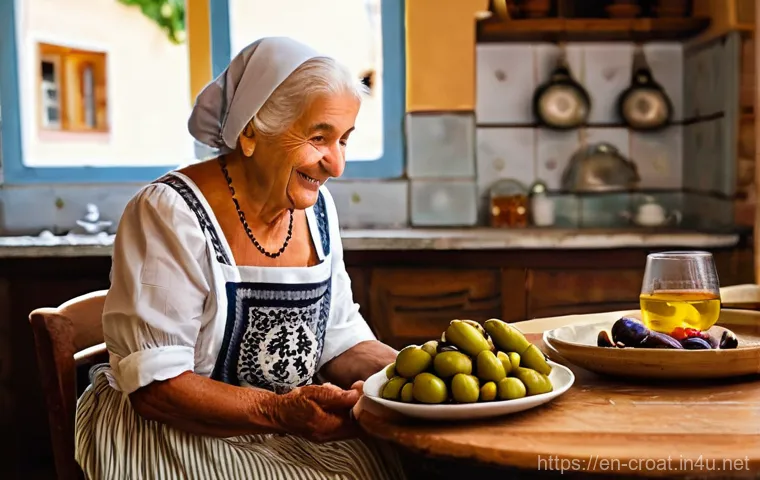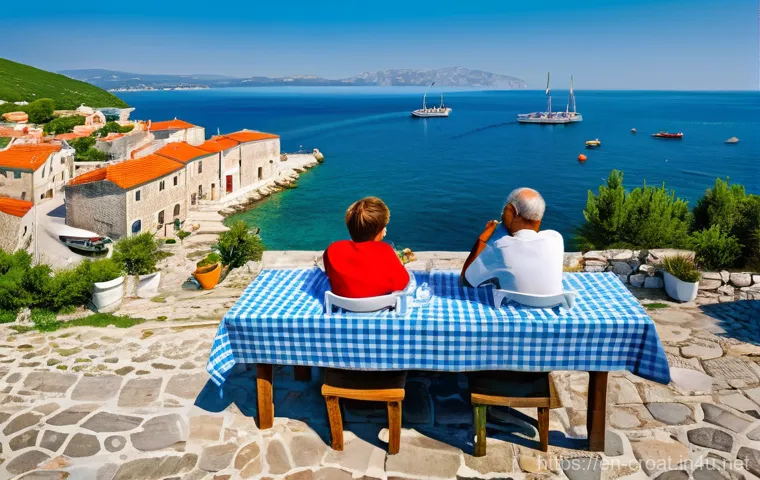
Oh, the Adriatic Sea! Just the mention of it brings a rush of sapphire blues and sun-drenched memories to my mind. If you’re anything like me, you’ve probably spent hours scrolling through breathtaking photos of its shimmering coasts, dreaming of that perfect European escape.
For years, this incredible stretch of coastline, from Italy’s charming villages to Croatia’s iconic islands and Montenegro’s majestic bays, has captured the hearts of travelers worldwide.
I’ve personally explored quite a bit of it, and let me tell you, it truly lives up to the hype, offering so much more than just picturesque beaches; it’s a living tapestry of history, delicious cuisine, and adventures waiting to happen.
What I’ve noticed, especially looking ahead to 2025, is a growing desire for experiences that go beyond the usual tourist trails, focusing on sustainability and truly immersing oneself in the local culture while avoiding those bustling peak season crowds.
People are seeking out the hidden coves, the authentic family-run tavernas, and those quiet spots where you can truly connect with the stunning natural beauty.
While popular destinations like Dubrovnik and Venice remain must-sees, there’s a real buzz around discovering the Adriatic’s quieter, equally captivating corners.
Whether you dream of sailing around secluded islands, exploring ancient Roman ruins, or indulging in the freshest seafood imaginable, the Adriatic is calling.
In this guide, I’m thrilled to share my absolute favorite spots and some insider tips to make your trip unforgettable. Let’s dive deeper and discover the magic together.
Oh, the Adriatic! It’s a place that just feels different, isn’t it? I swear, every time I visit, it’s like a warm hug from an old friend.
Knowing that more and more people are dreaming of these glittering shores for 2025 makes my heart flutter with excitement, especially when I hear whispers of travelers wanting to dig a little deeper, beyond the usual postcard-perfect scenes.
This shift towards more mindful, sustainable travel and genuine local experiences truly warms my soul because, let’s be honest, that’s where the real magic happens.
So, grab a coffee (or a glass of local wine, if you’re already in the spirit!), and let me share some of my absolute favorite ways to uncover the Adriatic’s most enchanting secrets in 2025.
Unearthing the Adriatic’s Secret Shores and Lesser-Known Havens
It’s easy to get caught up in the allure of places like Dubrovnik and Split – and rightly so, they’re magnificent! But what truly captivates me, and what I’ve personally found myself drawn to more and more, are those quieter corners, the places where time seems to slow down and local life thrives.
I’ve noticed a real desire among travelers for 2025 to find these authentic spots, away from the bustling summer crowds. It’s about discovering unspoiled nature and genuine tranquility, and let me tell you, the Adriatic is brimming with them.
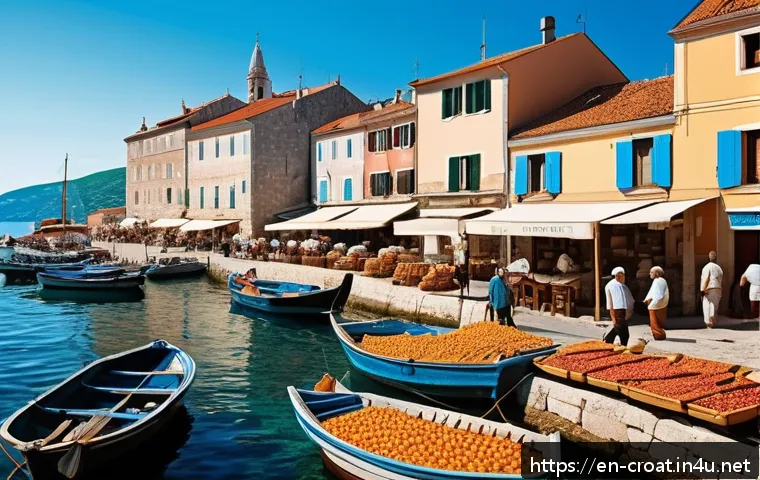
Think charming fishing villages, untouched coves, and islands where cars are a rarity, allowing you to truly immerse yourself in the rhythm of Mediterranean living.
These hidden gems offer a chance to connect with the essence of the region, where the welcome is warmer, and the stories are richer. You might even find yourself invited for a spontaneous coffee by a local, sharing tales of their life by the sea – those are the moments I cherish most.
Croatia, in particular, has a treasure trove of these less-trodden paths that are just waiting to be explored before everyone else discovers them. It’s a wonderful feeling to stumble upon a place that feels like it’s just for you, isn’t it?
Island Escapes Beyond the Mainstream
I always tell people, if you want to truly experience the Adriatic’s soul, you *have* to get out to the islands. But don’t just stick to the famous ones!
Take Vis, for instance. It’s truly a haven for nature lovers, known for its unspoiled beauty and a tranquil atmosphere that just washes over you. I remember exploring its secluded beaches and discovering its fascinating history, feeling like I’d stepped back in time.
You can even visit the famous Blue Cave on Biševo Island from here, which is an experience you won’t soon forget, trust me. Then there’s Mljet, often hailed as Croatia’s greenest island.
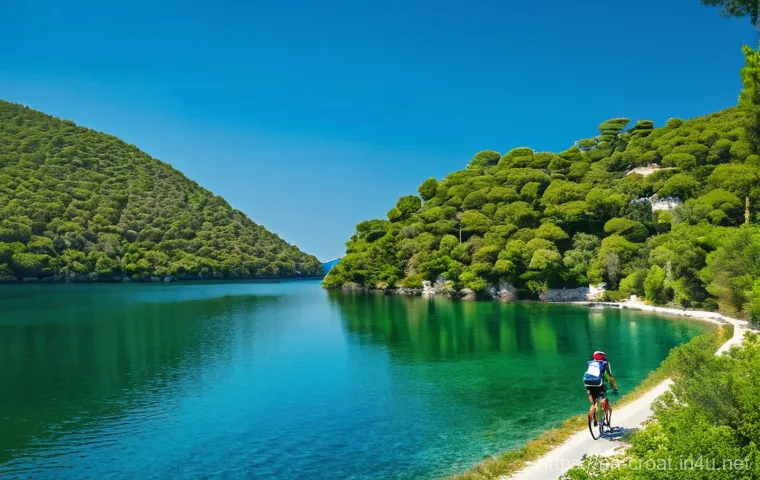
It’s an absolute paradise for anyone who loves lush vegetation, serene azure lakes, and the peaceful embrace of Mljet National Park. I personally loved renting a bike there and cycling through the national park, floating on the saltwater lakes – it was pure bliss, a real escape into nature that refreshed my spirit like nothing else.
Or consider Lastovo, one of the more remote islands, celebrated for its unspoiled nature and traditional Dalmatian architecture, offering a truly peaceful respite from the mainland’s hustle.
These islands provide an immersive experience, allowing you to witness local traditions and enjoy genuine island hospitality that’s becoming increasingly rare.
Coastal Villages Whispering History
It’s not just the islands; the mainland coast also hides some incredible spots. I’m thinking of places like Ston on the Pelješac Peninsula. This historic town is famous for having the longest defensive walls in Europe, which are just breathtaking to walk along, and it’s home to some of the world’s oldest saltworks.
What I love about Ston is how history, gastronomy, and nature all intertwine there. It’s a fantastic spot if you’re into active vacations and, especially, if you’re a food lover – the oysters and mussels cultivated here are, hands down, some of the best the Adriatic has to offer!
I still dream about them. Another gem that comes to mind is Komiža on the island of Vis. Unlike the more commercialized towns, Komiža still exudes that authentic Dalmatian charm with its stone houses and narrow streets.
It’s a place where you can truly feel the strong fishing heritage, enjoy local specialties like “komiška pogača,” and just soak in the relaxed pace of life.
These villages offer a glimpse into a way of life that feels ancient and deeply connected to the sea, a perfect antidote to the fast pace of modern life.
A Gastronomic Journey: Savoring the Adriatic’s Culinary Delights
Oh, my goodness, the food! If there’s one thing that keeps me coming back to the Adriatic, it’s the incredible culinary scene. I mean, where do I even begin?
This region is an absolute foodie paradise, a vibrant tapestry woven from fresh local ingredients, the finest olive oils, and indigenous spices. What truly stands out to me is the sheer simplicity of preparation that allows the natural flavors to truly shine through.
Every meal feels like a celebration of the sea and the land, a testament to traditions passed down through generations. I’ve had some of my most memorable dining experiences tucked away in family-run *konobas* (taverns) along the coast, where the seafood is so fresh it practically jumps onto your plate.
From the hearty stews of Dalmatia to the truffle-infused magic of Istria, it’s a journey for your taste buds you won’t soon forget. And don’t even get me started on the wine – it’s increasingly gaining global recognition, and rightly so!
Feasting on Fresh Seafood and Local Specialties
You absolutely cannot visit the Adriatic without diving headfirst into its seafood offerings. Honestly, it’s a non-negotiable! Dalmatia, in particular, is celebrated for its incredible seafood and rich olive oil.
I still dream about a traditional “brudet,” a fish stew made with as many different fish species as possible, often including octopus, squid, and cuttlefish.
The richness of the wine, vinegar, and vegetables gives it such a complex, sweet-and-sour taste, and the fish just melts in your mouth. And then there’s “black risotto,” a striking dish made with cuttlefish ink that’s both visually stunning and incredibly delicious.
A sprinkle of Parmesan for extra creaminess, and you’ve got a meal that’s truly unique. I remember sitting by the water, watching the boats, and savoring these dishes, feeling completely connected to the place.
It’s not just food; it’s an experience, a connection to the sea and the people who live by it. Don’t be shy about asking locals for their favorite *konobas*; those are often the spots with the most authentic flavors and warmest hospitality.
Unlocking the Flavors of Istria and Pelješac
Beyond the classic coastal dishes, there are entire regions dedicated to unique culinary treasures. If you’re anything like me and love a bit of luxury in your food, you *must* venture into Istria.
This region, often lovingly called Croatia’s Tuscany, is famous for its truffles. I’ve even gone on a truffle hunt, walking through the forests with skilled truffle-hunting dogs, which was an absolutely exhilarating experience!
Afterwards, savoring truffle-infused delicacies like pasta, cheese, and even olive oil is just heavenly. Istrian truffles are a divine gift, and they truly elevate any dish.
Then, for wine lovers, the Pelješac Peninsula in southern Croatia is an absolute paradise. This region is renowned for its robust red wines, especially those made from the Plavac Mali grape.
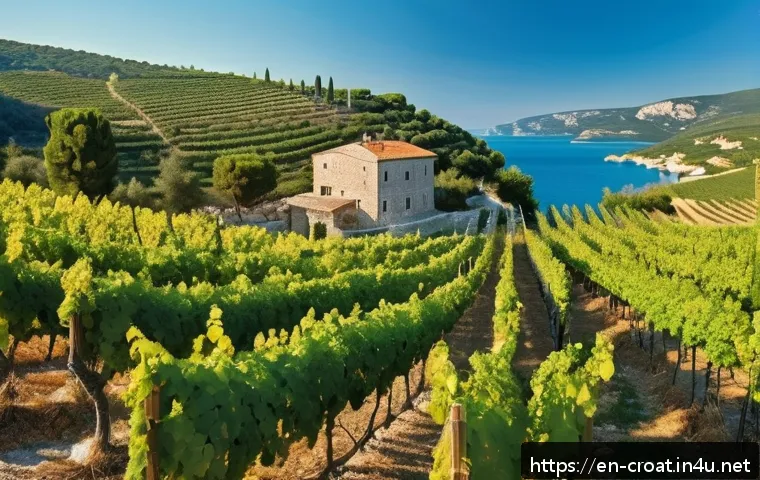
I’ve spent delightful afternoons visiting wineries, sampling award-winning wines, and taking in the panoramic views of the Adriatic. It’s a perfect blend of natural beauty and exquisite taste, proving that the Adriatic offers so much more than just stunning views.
Beyond the Beaches: Adventure and Culture Along the Coastline
While the dazzling beaches and crystal-clear waters are undoubtedly a major draw to the Adriatic, I’ve always found that the true depth of this region lies in its incredible history and the myriad adventures it offers.
It’s so much more than just lounging in the sun! The Adriatic coastline is a living museum, with ancient Roman ruins, medieval fortresses, and charming old towns that beckon you to explore their secrets.
I’ve personally spent countless hours wandering through cobbled streets, imagining the lives of those who walked there centuries ago, and every time, I uncover something new that sparks my imagination.
For 2025, I truly believe travelers are looking for those experiences that engage their minds and bodies, offering a deeper connection to the place. Whether it’s hiking a mountain with breathtaking sea views or delving into ancient history, the Adriatic delivers a rich tapestry of cultural and adventurous pursuits.
Stepping Back in Time: Ancient Cities and UNESCO Wonders
One of my absolute favorite aspects of the Adriatic is its incredibly rich history. Dubrovnik, the “Pearl of the Adriatic,” with its majestic walled city, is an architectural marvel that simply must be seen to be believed.
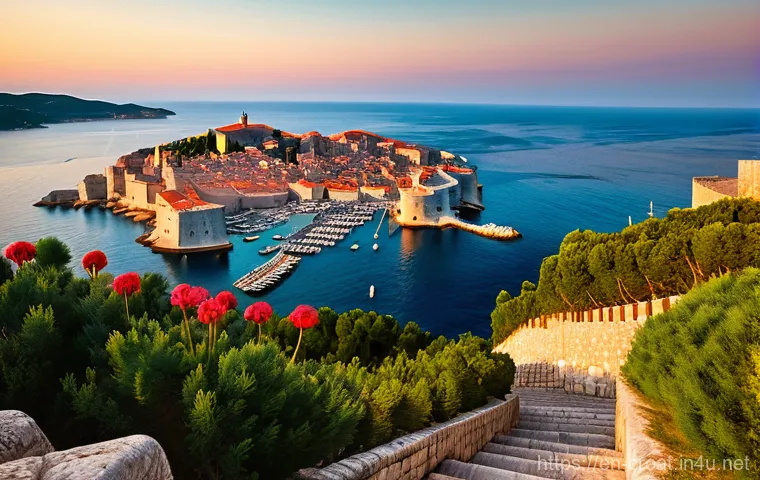
I remember walking atop those ancient ramparts, looking out over the sea of terracotta rooftops and the endless blue Adriatic, and feeling completely transported.
It’s a city that vividly showcases its tumultuous past through its remarkably well-preserved structures. Similarly, Split, with its sprawling Diocletian’s Palace, offers a unique opportunity to wander through a living Roman ruin.
I’ve explored its catacombs, narrow streets, and Jupiter Temple, all while imagining the grandeur of the Roman Empire. Korčula, often called “Little Dubrovnik,” boasts medieval walls and charming streets, and it’s even rumored to be Marco Polo’s birthplace.
The traditional Moreska sword dance there is a cultural spectacle you won’t want to miss! These places aren’t just landmarks; they’re experiences that bring history to life in the most captivating way.
Thrill-Seeking and Natural Wonders
For those who, like me, crave a bit more excitement than just sunbathing, the Adriatic is a fantastic playground. The diverse landscape is absolutely perfect for adventure seekers.
Take Brač Island, for example. You can hike to Vidova Gora, which is the highest peak in the Adriatic, and trust me, the panoramic views from the top are absolutely breathtaking.
Or, if water sports are more your thing, it’s an amazing spot for windsurfing. And then there are the natural wonders that just steal your breath away, like the waterfalls, cascades, and crystal lakes of Plitvice Lakes National Park.
I’ve walked its well-maintained trails and taken boat rides across its stunning waters, utterly mesmerized by nature’s artistry. Even in 2025, with a growing focus on sustainable travel, there are opportunities to engage with nature responsibly.
The Kornati archipelago, a national park made up of countless islets, is perfect for sailing enthusiasts eager to explore hidden coves and dramatic cliffs.
These experiences offer a thrilling way to connect with the Adriatic’s stunning natural beauty.
Sustainable Serenity: Embracing Eco-Conscious Adriatic Escapes
I’ve definitely noticed a shift, both in my own travel choices and among fellow adventurers, towards more sustainable and mindful experiences. It’s not just a trend for 2025; it’s a deeper commitment to preserving these incredible places we love so much.
The idea of truly immersing oneself in local culture while minimizing our footprint has really resonated with me. The Adriatic, with its pristine waters and vibrant nature, is quickly becoming a leader in eco-tourism, offering unforgettable holidays that blend relaxation with responsibility.
I feel genuinely good knowing that my travels can contribute positively to the environment and local communities. It’s about enjoying the breathtaking beauty of the coastline and islands while also helping to protect them for future generations.
Croatia, especially, is at the forefront of these initiatives, with numerous eco-resorts and sustainable travel programs.
Green Islands and Eco-Friendly Initiatives
Many of the Adriatic’s islands are quietly leading the way in sustainable, low-impact tourism, which I find incredibly inspiring. Islands like Mljet, already known for its lush national park, embody this ethos beautifully.
There are also places like Lastovo, with its unspoiled nature, and even car-free islands like Silba in the Zadar archipelago, where peace and a slow-paced lifestyle are paramount.
I love that these places offer experiences that are genuinely eco-conscious, from solar-powered accommodations to untouched beaches and serene landscapes.
It’s about finding those quiet spots where you can truly connect with the stunning natural beauty without leaving a trace. The government, along with tourism partners, is really focusing on enhancing the competitiveness of Croatia’s tourism sector by emphasizing eco-friendly practices and encouraging local businesses to innovate sustainably.
Responsible Exploration and Community Engagement
Embracing sustainable travel also means actively engaging with local communities and supporting practices that benefit them. I always try to seek out family-run businesses, whether it’s a small *konoba* serving traditional dishes or a local guide offering a unique cultural tour.
It’s a wonderful way to ensure your tourism dollars stay within the community and contribute to their well-being. Additionally, I’ve found that traveling during the shoulder seasons (late spring or early autumn) not only allows you to avoid the peak season crowds but also supports a more balanced tourism economy throughout the year.
The weather is still absolutely lovely for swimming and sightseeing, but the destinations are much less congested, offering a more intimate and authentic experience.
It’s about being a considerate traveler, respecting local customs, and recognizing that we are guests in someone else’s home. These small choices can make a huge difference, ensuring the Adriatic remains a vibrant, authentic destination for years to come.
Island Hopping Wonders: Navigating the Azure Archipelagos
There’s a special kind of magic that comes with island hopping in the Adriatic. It’s an experience that really sets this region apart, and honestly, it’s one of my absolute favorite ways to explore.
Imagine gliding across shimmering turquoise waters, feeling the gentle sea breeze, and knowing that another unique island paradise awaits you just around the bend.
Croatia, with its more than a thousand islands, truly offers an unforgettable adventure, blending beautiful beaches, rich history, and vibrant local culture.
I’ve found that the proximity of these islands makes it incredibly easy to explore multiple destinations in one trip, offering endless opportunities for both adventure and pure relaxation.
For 2025, I foresee even more tailored experiences, allowing travelers to chart their own course, whether it’s on a cozy ferry or a more private sailing adventure.
Crafting Your Perfect Island Itinerary
Planning an island-hopping adventure might seem daunting at first, but with a little research, it’s incredibly rewarding. I always recommend starting or ending your trip in one of the major coastal cities like Split or Dubrovnik, as they offer the best connections to many of the nearby islands.
From Split, you can easily reach gems like Hvar, Korčula, Brač, and Vis. If you’re starting from Dubrovnik, islands like Mljet, Šipan, and Korčula are readily accessible.
What I love about this is the flexibility; you can spend a few hours on one island before catching a ferry to your next adventure, truly experiencing the diversity of the Dalmatian coast.
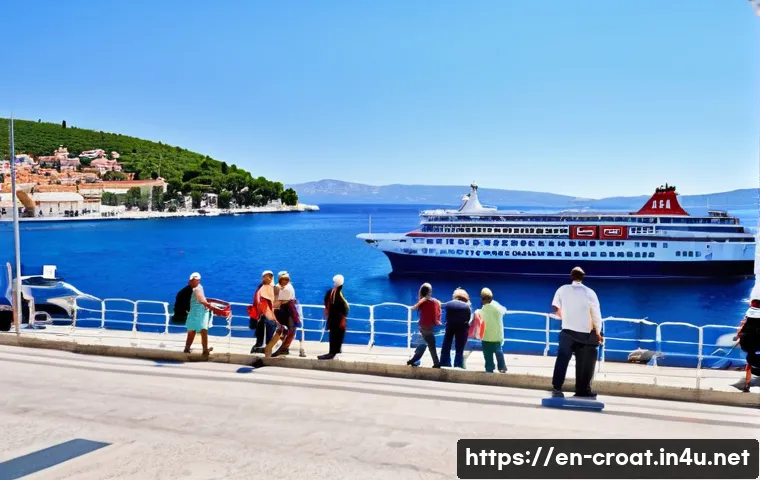
Ferries are efficient and affordable, ranging from high-speed catamarans to slower car ferries, so you can pick the pace that suits you best. For a truly immersive and hassle-free experience, a small ship cruise is also a fantastic option, where your accommodation, some meals, and transport are all taken care of, allowing you to just relax and soak it all in.
Hidden Coves and Secluded Beaches by Sea
One of the greatest joys of island hopping is discovering those utterly secluded coves and pristine beaches that are often only accessible by boat. It’s like finding your own little slice of paradise!
I remember chartering a small boat once and spending an entire day hopping between tiny, unnamed coves, swimming in water so clear I could see every pebble on the seabed.
This is where private boat tours or sailing charters really shine, offering the ultimate flexibility to explore off-the-beaten-path destinations and hidden gems at your own pace.
Imagine dropping anchor in a quiet bay on an island like Šolta, a small, green island near Lošinj, known for its calm bays and quiet charm – pure bliss!
Or uncovering the remote beauty of the Kornati National Park, a labyrinth of islets perfect for sailing and exploring dramatic cliffs. These moments of pure tranquility and discovery are, for me, what Adriatic travel is all about.
Planning Your Perfect 2025 Adriatic Adventure: Insider Tips
As someone who’s spent a good deal of time exploring the nooks and crannies of the Adriatic, I’ve picked up a few invaluable insights that I’m thrilled to share with you for your 2025 travels.
This region is absolutely phenomenal, but a little smart planning can truly elevate your experience from great to unforgettable. It’s all about making informed choices that align with your travel style and preferences, especially when it comes to avoiding crowds and getting the most value for your money.
I’ve learned that timing is everything, and a bit of foresight goes a long way in securing those truly special moments. Whether you’re dreaming of a bustling summer vacation or a serene shoulder-season escape, these tips will help you navigate the planning process like a seasoned pro.
Navigating Peak vs. Shoulder Seasons
When to visit is probably the biggest question I get, and it really depends on what you’re looking for. The summer months, from June to August, are definitely the most vibrant, with warm waters, lively festivals, and a buzzing atmosphere.
However, as you might expect, this is also when you’ll encounter the biggest crowds and higher prices, especially in popular spots like Dubrovnik and Hvar.
I’ve found that early June or late September offer a fantastic compromise. The weather is still absolutely beautiful, perfect for swimming, and the sea remains wonderfully warm, but the masses have started to thin out, and accommodation prices may be a bit more reasonable.
My personal sweet spot for a truly intimate experience is the shoulder season – April to May and late September to October. The temperatures are moderate, ideal for sightseeing and hiking, and you’ll find far fewer tourists, meaning you can explore at a leisurely pace.
Plus, many resorts along the Dalmatian coast operate from May through October, so you won’t miss out on amenities.
Booking Smart: Accommodation, Transport, and Tours
Booking things in advance is genuinely one of my golden rules for any Adriatic adventure, particularly if you’re traveling during the peak or even shoulder seasons.
Accommodations, especially, can fill up incredibly fast, and I always advise starting your research a few months before your trip to snag the best places.
For inter-island travel, ferries are your best friend. Companies like Jadrolinija and Krilo offer regular services, but during busy periods, booking your tickets ahead of time is a smart move to avoid any last-minute hassles.
While you can often book main routes a day or two before sailing, it’s best not to chance it if you’re traveling outside the summer months when service is less frequent.
And if you’re considering any guided tours or specific experiences, like truffle hunting in Istria or a *peka* cooking class, reserving those in advance will ensure you don’t miss out on these unique opportunities.
This foresight allows you to relax and truly savor every moment of your trip, knowing all the logistics are smoothly handled.
| Travel Aspect | Peak Season (June-August) | Shoulder Season (May, Sept-Oct) | My Personal Tip |
|---|---|---|---|
| Crowds | Very high, especially in popular destinations. Expect queues. | Significantly fewer crowds, more relaxed atmosphere. | Opt for shoulder season if possible for a more serene experience. |
| Weather | Hot and sunny, perfect for beaches (up to 32°C/89.6°F). | Mild and pleasant, ideal for sightseeing and activities (17-25°C/62.6-77°F). | Late September offers warm sea for swimming without intense heat. |
| Prices | Highest for flights, accommodation, and some tours. | More affordable rates, better value for money. | Book accommodation and popular tours several months in advance to save. |
| Activities | All tours and water sports in full swing, festivals galore. | Great for hiking, cycling, cultural exploration, and wine tasting. | Mix and match: enjoy water activities in early shoulder season, cultural in late. |
| Ferry Availability | Most frequent services, but can be fully booked. | Reduced schedules compared to peak, but generally easier to book. | Always book ferry tickets in advance, especially for popular routes. |
글을마치며
So there you have it, my dear friends! The Adriatic, in all its breathtaking glory, truly offers something for every kind of soul, especially as we look towards 2025. From those secret shores that whisper ancient tales to the vibrant flavors that dance on your palate, every corner holds a new discovery. It’s not just a destination; it’s an emotion, a feeling of pure joy and wonder that lingers long after you’ve left its glittering waters. I genuinely hope my experiences and tips ignite your wanderlust and help you craft an adventure that’s as unique and unforgettable as this incredible region itself. Happy travels, and may your Adriatic dreams come true!
알아두면 쓸모 있는 정보
1. Local Currency & Payments: The official currency in Croatia is the Euro (EUR) since January 2023. While credit cards are widely accepted in most towns and cities, especially for larger purchases and at hotels, it’s always a good idea to carry some cash (Euros) for smaller transactions, local markets, or when visiting more remote villages and family-run *konobas* where cash might be preferred or the only option. ATMs are readily available.
2. Language Basics: Croatian is the official language, but you’ll find English widely spoken in tourist areas, hotels, and restaurants, especially by younger generations. However, learning a few basic Croatian phrases like “Dobar dan” (Good day), “Hvala” (Thank you), and “Molim” (Please/You’re welcome) can go a long way in showing respect and often earns you a warmer welcome from locals.
3. Tipping Etiquette: Tipping is appreciated but not strictly mandatory in Croatia. For good service in restaurants, rounding up the bill or leaving a tip of around 10% is customary. For taxi drivers, you can round up the fare. For tour guides, a small tip is also a nice gesture, especially if you felt they went above and beyond.
4. Local Transportation: While island hopping is best done by ferry or boat, getting around the mainland can be a mix of options. Buses are efficient and connect most major towns and cities. Taxis and ride-sharing apps (like Uber or Bolt) are available in larger urban centers. Renting a car gives you the most flexibility to explore hidden gems, but be mindful of narrow roads and limited parking in old town centers.
5. Water Safety & Sun Protection: The Adriatic Sea is renowned for its crystal-clear waters, making it perfect for swimming and snorkeling. However, remember to always stay hydrated, especially during the summer months, and apply high-factor sunscreen generously. Jellyfish are rare but can occasionally be present; it’s always wise to keep an eye out. Always check local swimming conditions, especially if you’re exploring less-frequented coves.
중요 사항 정리
Ultimately, your 2025 Adriatic adventure is about embracing the unexpected, connecting with genuine local culture, and leaving with a heart full of unforgettable memories. Prioritize experiences over checklists, support local businesses, and let the magic of this stunning region truly wash over you. It’s more than just a trip; it’s an exploration of beauty, history, and incredible hospitality that will undoubtedly call you back again and again.
Frequently Asked Questions (FAQ) 📖
Q: When’s the absolute best time to visit the
A: driatic if I want to dodge the major crowds but still get that lovely sunshine? A1: Oh, this is a question I get all the time, and for good reason! Trust me, I’ve navigated the Adriatic during peak season, and while it’s still beautiful, there’s a certain magic to the shoulder seasons that just can’t be beaten.
My absolute favorite times to visit are late May through early June and then again from mid-September to mid-October. During these months, you’re still blessed with gorgeous, warm weather – perfect for swimming, sunbathing, and exploring – but without the throngs of tourists you’d find in July and August.
What I’ve found is that the sea temperatures are still incredibly pleasant for a dip, and the air is just right for wandering through ancient towns or enjoying a long al fresco dinner.
Plus, flights and accommodations tend to be a little more budget-friendly, which is always a bonus, right? You get to experience the local life truly coming alive after the summer rush, or before it fully ramps up, and that’s when you really feel like you’re experiencing the authentic Adriatic.
Think quieter beaches, easier access to those charming little restaurants, and a more relaxed pace overall.
Q: I’m dreaming of those hidden coves and authentic experiences you mentioned! How can I actually find them and genuinely connect with the local culture?
A: That’s the spirit! This is where the Adriatic truly shines, beyond the well-trodden paths. My biggest tip for finding those hidden coves and truly local experiences is to veer off the main tourist routes just a little.
Instead of sticking to only the most famous islands, consider exploring smaller, lesser-known ones like Vis in Croatia, or the tiny fishing villages along Montenegro’s coast.
I’ve personally rented a small boat for a day from a local fisherman in Croatia, and it led me to some incredibly secluded coves that felt like my own private slice of paradise – completely unforgettable!
For connecting with local culture, ditch the fancy, international restaurants in the main squares. Seek out the family-run “konobas” (tavernas) often tucked away on side streets.
I love asking locals for their recommendations – a simple “Where do you eat?” can lead to the most delicious, authentic meals you’ll ever have. Also, immerse yourself in local markets; they’re a feast for the senses and a fantastic way to see daily life unfold.
Even just taking a local bus or ferry instead of a private transfer can offer a glimpse into the everyday rhythm of life here. Trust your gut, be open to impromptu conversations, and you’ll be amazed at the genuine connections you’ll make.
Q: With everyone talking about responsible travel, what are some practical ways I can make my
A: driatic trip more sustainable and respect the environment? A3: This is such an important question, and I’m so glad you’re thinking about it! Traveling responsibly to a place as pristine and beautiful as the Adriatic is something I’m really passionate about.
From my own experiences, I’ve learned that even small choices can make a big difference. Firstly, try to choose accommodations that actively promote sustainability – look for places with eco-certifications or those that emphasize local sourcing, energy efficiency, and waste reduction.
When you’re out and about, always support local businesses, from the little shop selling handmade crafts to the family-owned restaurant; your money stays in the community, helping to preserve their way of life.
I always carry a reusable water bottle and shopping bag to minimize plastic waste, which is particularly crucial in coastal areas. Another thing I always try to do is respect the natural environment.
When you’re enjoying those incredible beaches and crystal-clear waters, make sure to leave no trace behind. If you’re snorkeling or diving, remember to observe marine life from a distance and never touch or disturb it.
Opting for public transport or even renting a bike where possible, rather than always relying on taxis or private cars, is another great way to reduce your carbon footprint.
It’s all about being mindful and making choices that allow these beautiful places to thrive for generations to come.