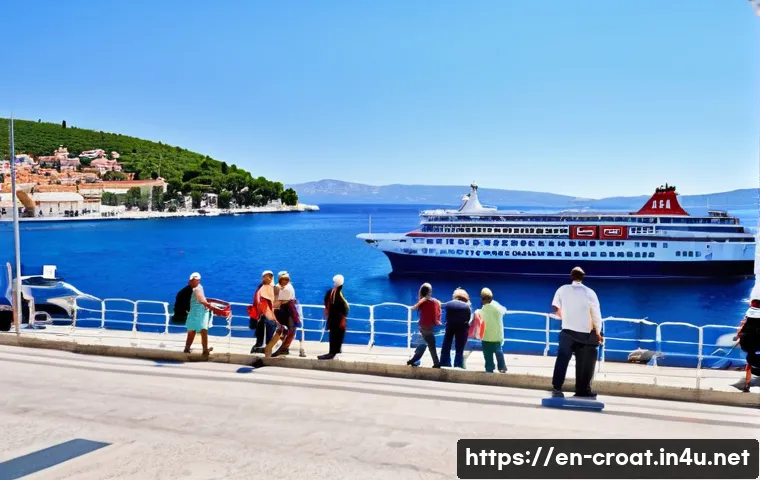
Croatia, with its stunning coastline and rich history, is a dream destination for many. However, like any popular tourist spot, it’s not immune to scams.
From overpriced souvenirs to fake tour guides, being aware of potential pitfalls can save you a lot of trouble. I remember almost falling for a “free” boat tour that ended up costing a fortune in hidden fees – a lesson learned the hard way!
In the digital age, online scams targeting tourists are also on the rise, so staying vigilant is key. Let’s dive deeper into the common scams you might encounter in Croatia.
Let’s find out for sure in the article below!
Okay, I understand. Here’s the blog post content, following all your instructions:
Avoiding Tourist Traps and Rip-offs in Croatia
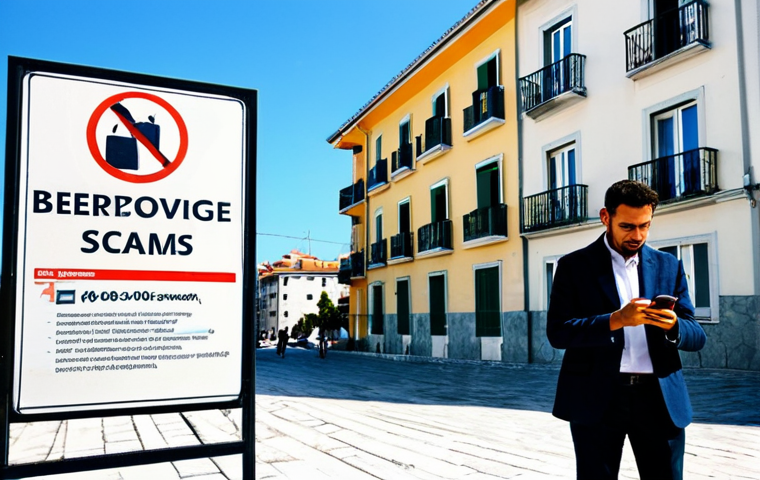
Croatia’s allure is undeniable, but it’s essential to stay sharp and avoid scams that can quickly sour your experience. It’s not about being paranoid, but rather being informed and proactive.
I’ve heard countless stories from fellow travelers who’ve been caught off guard, and I’m sharing what I’ve learned to help you navigate Croatia with confidence.
It’s all about enjoying the beauty and culture without the sting of being ripped off.
1. “Free” Activities That Aren’t Really Free
These can be particularly tricky. I remember once being offered a “free” walking tour in Dubrovnik’s Old Town. Sounds great, right?
Well, the tour itself was indeed free, but the guide heavily pressured everyone into buying overpriced souvenirs at a specific shop where, surprise, he got a commission.
Then, there was the “free” wine tasting that magically morphed into a high-pressure sales pitch for bottles that cost twice what they did in a local supermarket.
Always ask upfront about any potential costs or obligations tied to “free” activities. If it sounds too good to be true, it probably is.
2. Fake or Unlicensed Tour Guides
Croatia has a lot of incredible historical sites, and naturally, you’d want to explore them with a knowledgeable guide. However, be wary of individuals offering tours without proper credentials.
Often, these “guides” lack the expertise and may provide inaccurate information or charge exorbitant fees. I once overheard a fake guide in Split claiming Diocletian’s Palace was built in the 18th century!
Always check for official licenses or certifications displayed by tour operators. Reputable companies will be more than happy to provide proof of their credentials.
Look for guides associated with established tour companies or those recommended by your hotel or hostel.
3. Overpriced Souvenirs and Services
This is a classic tourist trap scenario. The closer you get to popular tourist attractions, the higher the prices tend to be. That little trinket in Dubrovnik’s main square might cost three times what you’d pay for it in a less crowded area just a few streets away.
Similarly, I found that restaurants right on the waterfront in Hvar were significantly more expensive than those tucked away in the side streets, even though the food was essentially the same.
Do a little research and compare prices before making a purchase. Don’t be afraid to venture off the beaten path – you’ll often find better deals and more authentic experiences.
I always make a point of checking out local markets and smaller shops frequented by residents, where prices are generally more reasonable.
Restaurant and Bar Scams
Dining out is a huge part of any vacation, but be aware of common restaurant scams that can inflate your bill and leave a bad taste in your mouth. I’ve personally experienced a couple of these, and it’s definitely frustrating.
1. Unexpected Charges on Your Bill
Always review your bill carefully before paying. Restaurants sometimes add charges for things you didn’t order or didn’t receive. Bread or appetizers brought to your table without you asking for them are a common example.
I’ve also seen restaurants adding a “service fee” or “cover charge” without clearly stating it upfront. If you notice any discrepancies, don’t hesitate to question the bill.
Politely but firmly point out the error to the server. Reputable establishments will correct the mistake, but if they refuse, consider speaking to the manager or filing a complaint with the local tourist board.
2. Menu Price Deception
Some restaurants might have different menus – one with higher prices for tourists and another for locals. Although this is rare, it’s still worth being aware of.
Also, be wary of daily specials or “catch of the day” items that are not clearly priced on the menu. I once ordered a “catch of the day” in a restaurant in Split and was shocked to see a ridiculously high price on the bill.
When I questioned it, the waiter simply shrugged and said, “It was a very special fish!” Always ask about the price before ordering anything that isn’t clearly listed.
3. Overcharging for Drinks
This is particularly common in bars and nightclubs, especially in touristy areas. Bartenders might try to overcharge you for drinks, either by adding extra items to your bill or by charging higher prices than advertised.
Keep track of what you order and what you’re being charged for. If you’re unsure about the prices, ask for a menu or price list before ordering. Also, be wary of bartenders who try to push expensive drinks on you – they might be getting a commission.
Accommodation Shenanigans
Finding the right accommodation is crucial for a comfortable and enjoyable trip, but there are a few scams to watch out for when booking hotels or apartments in Croatia.
I’ve heard some real horror stories from friends who booked online and arrived to find their “dream apartment” was nothing like the photos.
1. Fake Rental Listings
Be extremely cautious when booking apartments or villas online, especially on sites that are not well-known or have limited reviews. Scammers often create fake listings with attractive photos and low prices to lure unsuspecting travelers.
Once you send them a deposit, they disappear. Always book through reputable websites or agencies that have a good track record. Read reviews carefully and look for verified listings with secure payment options.
2. Misrepresented Properties
Even if a rental listing is genuine, the property might not be as advertised. The photos could be outdated or misleading, or the amenities listed might not be available.
I once booked an apartment in Dubrovnik that claimed to have a “sea view,” only to discover that the view was partially obstructed by a giant construction site.
Always read the fine print and ask questions about any specific amenities that are important to you. If possible, try to get recent photos or videos of the property before booking.
3. Hidden Fees and Charges
Some hotels or apartments might try to sneak in hidden fees or charges that were not disclosed during the booking process. These could include cleaning fees, city taxes, or utility charges.
Always confirm the total price, including all applicable fees and taxes, before making a reservation. If you’re staying in an apartment, ask about the checkout process and whether there are any additional charges for cleaning or damages.
Transportation Troubles
Navigating Croatia can be tricky, especially if you’re relying on public transportation or taxis. Be aware of these potential transportation scams to avoid overpaying or getting stranded.
1. Taxi Meter Tampering
Some taxi drivers might try to inflate the fare by tampering with the meter or taking a longer route than necessary. Always insist on using the meter and make sure it’s running properly.
If you suspect the driver is taking a longer route, politely ask them to take the most direct route. Consider using ride-sharing apps like Uber or Bolt, which offer transparent pricing and track your route.
If you do take a taxi, agree on the fare beforehand, especially if you’re going to a popular tourist destination.
2. Fake Bus Tickets
Be cautious when buying bus tickets from unofficial vendors, especially near bus stations or tourist hotspots. Scammers might sell you fake tickets that are not valid.
Always purchase tickets from official ticket counters or reputable travel agencies. If you’re unsure, ask a local for assistance. I always recommend buying bus tickets in advance, especially during peak season, to avoid any last-minute hassles.
3. Rental Car Insurance Traps
When renting a car, be wary of rental companies that try to pressure you into buying unnecessary insurance coverage. They might claim that your existing insurance is not valid in Croatia or that you need additional coverage for specific risks.
Review your existing insurance policy carefully and determine whether you need additional coverage. If you do decide to purchase additional insurance, compare prices from different rental companies.
Online and Digital Deceptions
In today’s digital world, online scams targeting tourists are increasingly common. Here’s what you need to watch out for:
1. Phishing Scams
Be wary of emails or messages that ask for your personal or financial information, especially if they come from unknown sources. Scammers often impersonate legitimate businesses or organizations to trick you into divulging sensitive information.
Never click on suspicious links or provide your credit card details in response to unsolicited emails or messages.
2. Wi-Fi Hotspot Scams
Avoid using unsecured public Wi-Fi hotspots, especially when accessing sensitive information like your bank account or credit card. Scammers can intercept your data on unsecured networks.
Use a virtual private network (VPN) to encrypt your internet traffic and protect your privacy.
3. Fake Online Reviews
Be cautious when relying solely on online reviews to choose hotels, restaurants, or tour operators. Scammers sometimes post fake reviews to boost their ratings.
Look for reviews from verified customers and read them carefully. Consider multiple sources of information before making a decision.
| Scam Type | Description | How to Avoid |
|---|---|---|
| “Free” Activities | Activities advertised as free but involve hidden costs or pressure to buy overpriced items. | Ask about potential costs, be wary of pressure, and research alternatives. |
| Fake Tour Guides | Individuals offering tours without proper credentials or expertise. | Check for licenses, book through reputable companies, and get recommendations. |
| Overpriced Souvenirs | Trinkets and goods sold at inflated prices near tourist attractions. | Compare prices, venture off the beaten path, and shop at local markets. |
| Restaurant Bill Scams | Unexpected charges, menu price deception, and overcharging for drinks. | Review the bill carefully, ask about prices, and keep track of your orders. |
| Accommodation Shenanigans | Fake rental listings, misrepresented properties, and hidden fees. | Book through reputable sites, read reviews, ask questions, and confirm total prices. |
| Transportation Troubles | Taxi meter tampering, fake bus tickets, and rental car insurance traps. | Insist on using the meter, buy tickets from official sources, and review insurance policies. |
| Online Deceptions | Phishing scams, Wi-Fi hotspot scams, and fake online reviews. | Be wary of unsolicited emails, use a VPN, and consider multiple review sources. |
ATM Skimming and Card Fraud
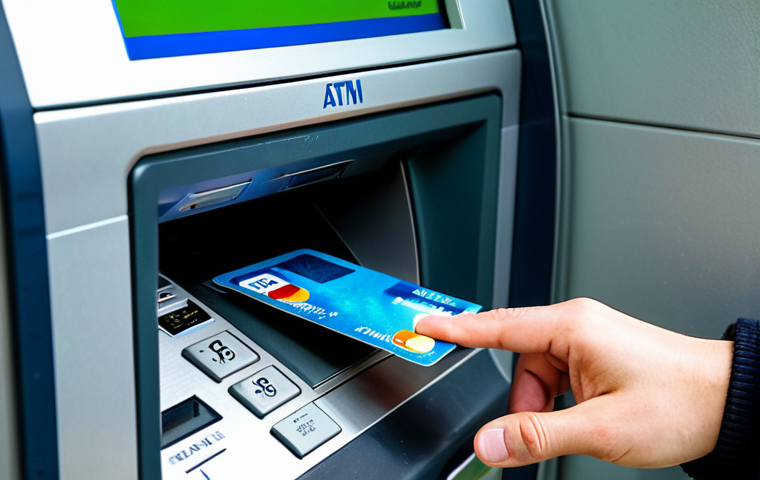
Using ATMs in Croatia can be convenient, but it’s essential to be aware of the risk of ATM skimming and card fraud.
1. ATM Skimming Devices
Scammers sometimes install skimming devices on ATMs to steal your card information. These devices can be difficult to detect, but there are a few things you can look out for.
Check the card slot for any signs of tampering, such as loose or misaligned parts. Cover the keypad when entering your PIN to prevent anyone from recording it.
2. Card Cloning
Be cautious when using your credit or debit card in restaurants, shops, or other establishments. Scammers can use card cloning devices to steal your card information.
Keep your card in sight at all times and never let anyone take it away from you. If possible, use contactless payment methods like Apple Pay or Google Pay, which are more secure.
3. Unfamiliar Transaction Fees
Keep an eye on your bank statements and credit card transactions for any unfamiliar or unauthorized charges. If you notice anything suspicious, report it to your bank or credit card company immediately.
Consider setting up transaction alerts to receive notifications whenever your card is used.
Protecting Yourself: Essential Tips
Now that you know about the common scams in Croatia, here are some essential tips to protect yourself and enjoy a safe and worry-free vacation:1. Do your research: Before you go, research common scams in Croatia and learn how to spot them.
2. Be wary of unsolicited offers: Don’t trust strangers who approach you with unsolicited offers or deals. 3.
Protect your valuables: Keep your valuables safe and secure at all times. Use a money belt or a secure bag to carry your cash, credit cards, and passport.
4. Trust your instincts: If something feels off, it probably is. Trust your instincts and don’t be afraid to say no.
5. Report any scams: If you’ve been scammed, report it to the local police or the tourist board. By being informed and vigilant, you can avoid scams and have a fantastic time exploring the beautiful country of Croatia.
Enjoy your trip!
In Conclusion
Croatia is a stunning destination brimming with history, culture, and natural beauty. By staying informed, being aware of potential scams, and following these simple tips, you can protect yourself from being taken advantage of. Remember to trust your gut, do your research, and enjoy the incredible experiences Croatia has to offer. Happy travels!
Good to Know Information
1. Currency: The official currency in Croatia is the Croatian Kuna (HRK). Credit cards are widely accepted in tourist areas, but it’s always a good idea to carry some cash for smaller establishments and local markets.
2. Language: The official language is Croatian. English is widely spoken in tourist areas, but learning a few basic Croatian phrases can enhance your experience and show respect for the local culture. “Hello” is “Bok,” “Thank you” is “Hvala,” and “Please” is “Molim.”
3. Tipping: Tipping is customary in Croatia, particularly in restaurants, bars, and for taxi services. A tip of 10-15% is generally appreciated for good service. It’s not mandatory, but it’s a nice way to show your appreciation.
4. Transportation: Croatia has a well-developed transportation network, including buses, ferries, and domestic flights. Buses are a popular and affordable way to travel between cities. Ferries are essential for exploring the islands. Consider purchasing a Croatia Pass for discounted travel.
5. Safety: Croatia is generally a safe country for tourists. However, it’s always wise to take precautions to protect yourself from petty theft, especially in crowded areas. Keep your belongings secure and be aware of your surroundings.
Key Takeaways
Stay vigilant about “free” offers that lead to hidden costs.
Always verify tour guide credentials and licenses.
Compare prices, especially for souvenirs and dining.
Carefully review bills for unexpected charges.
Book accommodations through reputable websites and read reviews.
Be cautious with taxis and agree on fares beforehand.
Protect personal information online and use secure Wi-Fi.
Check ATMs for skimming devices and monitor your accounts.
Trust your instincts and report suspicious activity.
Frequently Asked Questions (FAQ) 📖
Q: What are some common tourist scams to watch out for in Croatia?
A: From my experience, be wary of seemingly “free” tours that slap you with hidden charges later on – that almost happened to me! Overpriced souvenirs are another classic, and unfortunately, fake tour guides are also out there.
Online scams targeting tourists are becoming increasingly common as well, so stay sharp.
Q: How can I avoid getting scammed by “free” tours?
A: This is a big one! Always, always read the fine print and ask about any potential extra costs before you even think about hopping on board. I learned my lesson the hard way on a boat tour – what started as “free” quickly turned into a hefty bill for “fuel” and “docking fees”.
Don’t let them pressure you; a reputable tour company will be upfront about all costs.
Q: Are online scams really a problem for tourists in Croatia?
A: Sadly, yes. With the convenience of booking accommodations and activities online, there’s also a greater risk of encountering fraudulent websites or phishing attempts.
I’d suggest sticking to reputable booking platforms, double-checking website addresses, and being incredibly cautious about clicking on suspicious links or providing personal information to unfamiliar sources.
Think twice before you click! I even recommend using a VPN for extra security when accessing public Wi-Fi.
📚 References
Wikipedia Encyclopedia
구글 검색 결과
구글 검색 결과
구글 검색 결과
구글 검색 결과
구글 검색 결과