Driving in Croatia is straightforward if you drive on the right, follow posted signs, and prepare for motorway tolls. Before collecting a rental car, confirm your licence requirements, insurance excess, fuel policy, and any permission needed for border crossings.
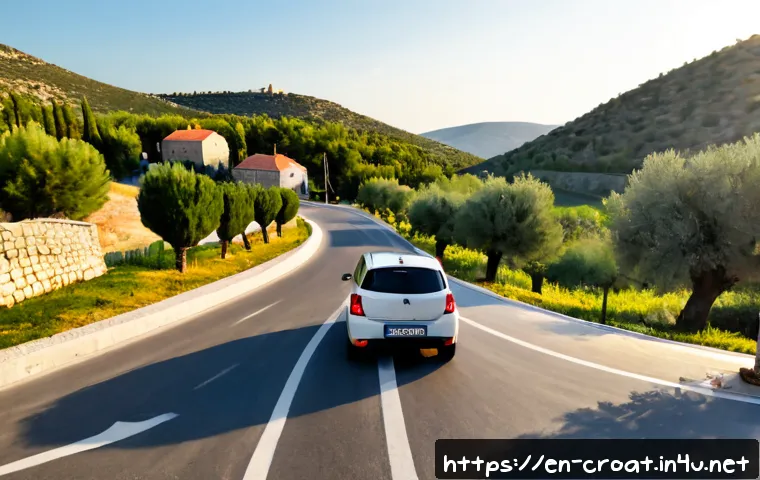
A car can be a practical choice for coastal villages, island connections, and inland stops, but it adds toll, parking, fuel, and deposit considerations in euros.
For a city-only stay, transfers, public transport, or guided excursions may be simpler. The best rental choice is rarely the lowest headline rate; it is the one with coverage and terms you understand.
Plan the route around parking availability, seasonal traffic, weather, and ferry timing.
At a Glance
- Drive on the right, overtake on the left, and follow the speed shown on local road signs.
- Budget in EUR for fuel, toll plazas, parking, and any rental-car deposit.
- Check rental coverage before booking, especially excess, roadside assistance, winter equipment, and cross-border permission.
| Decision point | What to compare | Why it matters |
|---|---|---|
| Basic rental rate | Vehicle type, collection location, fuel policy, and one-way terms | A low starting rate may not show the full trip cost. |
| Insurance excess | Basic cover, excess reduction, full-cover products, theft protection | You need to know what amount may remain your responsibility after damage. |
| Toll payment | Expected motorway use and accepted payment methods at toll plazas | Croatia uses toll plazas rather than a nationwide motorway vignette. |
| Parking | Hotel parking, paid zones, historic-centre access, and vehicle size | Parking can be more difficult than driving in busy coastal and old-town areas. |
| Cross-border flexibility | Written approval, added insurance, and return-location conditions | Do not assume a Croatian rental car can enter a neighbouring country. |
What Visitors Should Check Before Taking the Wheel
The Quick Answer: Drive Right, Read the Signs, Plan for Tolls
Visitors should expect to drive on the right-hand side of the road and generally overtake on the left. Road rules and conditions can vary by route, so posted signs should guide your speed and lane decisions rather than habits from home. Croatia’s motorways use toll plazas, meaning a road-trip budget should include toll payments as well as fuel and parking.
Before departure, check whether your itinerary is mainly city-based or includes coastal roads, mountain routes, islands, or border crossings. A car may give useful flexibility outside major centres. In a compact historic city, however, the easier choice may be a transfer, public transport, or a guided excursion.
Documents to Carry
Keep your driving licence, passport or identification, rental agreement, insurance details, and emergency contacts accessible. Licence requirements can depend on your home country and the rental provider. If you are unsure whether you need an International Driving Permit, verify this directly with the rental company before travel.
It is also sensible to review the collection requirements for the payment card used for the booking. Rental deposits, fuel charges, tolls, and parking are handled in euros (EUR), so leave enough room in your travel budget and payment arrangements.
Why a Cheaper Rental Can Cost More
The advertised car-rental price is only one part of the decision. A lower rate can be less attractive when the insurance excess, fuel-return policy, roadside-assistance terms, or cross-border restrictions are unclear. Read the rental conditions before you commit, not while standing at the collection desk.
Ask what basic cover includes, whether theft protection applies, what damage is excluded, and whether glass, tyres, and underbody damage are treated separately. If you expect narrow lanes, ferry loading, mountain driving, or a multi-country route, those details can be more important than a small difference in the base rate.
Rental Car, Insurance, and Toll Costs: What Is Worth Paying For?
Comparing Cover, Excess Reduction, and Roadside Assistance
A practical rental insurance comparison starts with the excess: the amount that may remain your responsibility if there is covered damage or theft. Basic cover, excess reduction, and full-cover products can have very different terms. Do not treat similar labels as identical protection.
Use this checklist when comparing collision-damage insurance options:
- What excess applies to collision damage or theft?
- Are tyres, glass, wheels, and underbody damage included or excluded?
- Is roadside assistance included, optional, or charged separately?
- What is the procedure for a breakdown or accident?
- Are there restrictions for ferry travel, unpaved surfaces, or cross-border driving?
Extra cover may suit travellers who prefer a lower potential excess and clearer support arrangements. It may be less valuable for a simple, short route if the existing cover and emergency assistance terms already match your comfort level. The key is to compare the actual policy wording and exclusions.
Tolls, Fuel, Parking, and Other Budget Items
Build a travel budget around more than the rental quote. Croatia’s motorway network uses toll plazas, and payment methods can vary by toll station. Check current toll information and payment options close to your travel dates, especially if your route depends on motorways.
Fuel, paid parking, possible one-way rental charges, and a rental deposit should also be considered in EUR. Current prices and tariffs can change, so use recent official or provider information rather than relying on an old trip report. A route with fewer kilometres is not always cheaper if it creates difficult parking or requires a more expensive collection and return arrangement.
When a Compact Car Is Enough
A compact car can be easier to place in parking bays and narrow streets, which is useful around historic centres and popular coastal towns. It may also make sense for one or two travellers carrying light luggage.
A larger vehicle may be worth considering for a family, extra luggage, child-restraint systems, or a longer itinerary. The trade-off is simple: assess space and comfort against manoeuvrability, parking pressure, and the cost difference. Avoid choosing a vehicle based only on category names; confirm luggage capacity and transmission type in the booking details.
Rules That Catch Foreign Drivers Off Guard
Speed Signs, Overtaking, Seat Belts, and Phones
Speed limits commonly differ by road type, with lower limits in built-up areas and higher limits on motorways. Always follow the posted local limit, including temporary changes and route-specific signs. Do not assume that a familiar European road layout has the same limit as one at home.
Seat belts are required for vehicle occupants, and children must use appropriate child-restraint systems. If you need a child seat, make that requirement clear when comparing rental options. Using a handheld mobile phone while driving is prohibited; set navigation before moving, pull over safely when needed, or use a hands-free setup.
Headlight requirements and other operating rules can depend on conditions and local signs. Treat the vehicle handbook, rental staff instructions, and posted rules as your reference point.
Alcohol Rules: Do Not Rely on Home-Country Assumptions
Alcohol limits can be stricter for younger and professional drivers than for other motorists. The safest travel decision is straightforward: do not drive after drinking. This avoids trying to interpret changing limits, individual circumstances, or unfamiliar enforcement practices.
After a Collision, Breakdown, or Police Stop
If there is a collision or breakdown, prioritise safety and follow the rental company’s emergency process. Keep the roadside-assistance contact details and rental agreement easy to find. For damage or an incident, document the situation as appropriate and notify the relevant rental or insurance contact according to your agreement.
If stopped by police, remain calm, provide the documents requested, and follow instructions. Do not make assumptions about procedures, language support, or what the rental provider requires afterward. Contact the provider if the incident may affect the vehicle, insurance, or your route.
Parking, Historic Centres, and Coastal Road Planning
Restricted Areas, Paid Parking, and Narrow Streets
Historic centres can have narrow streets, limited parking, and access restrictions. Before driving directly to accommodation, ask whether it has vehicle access, private parking, or a recommended public parking option. Do not follow a map route blindly if signs indicate a restriction or if the road is clearly unsuitable for your vehicle.
Check the parking rules where you leave the car, including the payment method, time restrictions, and any zone information. A reserved parking space can be more useful than a larger rental car in a busy destination. Take care near walls, tight turns, and parked scooters, where minor damage can become an avoidable insurance issue.
Allow More Time on the Adriatic Coast
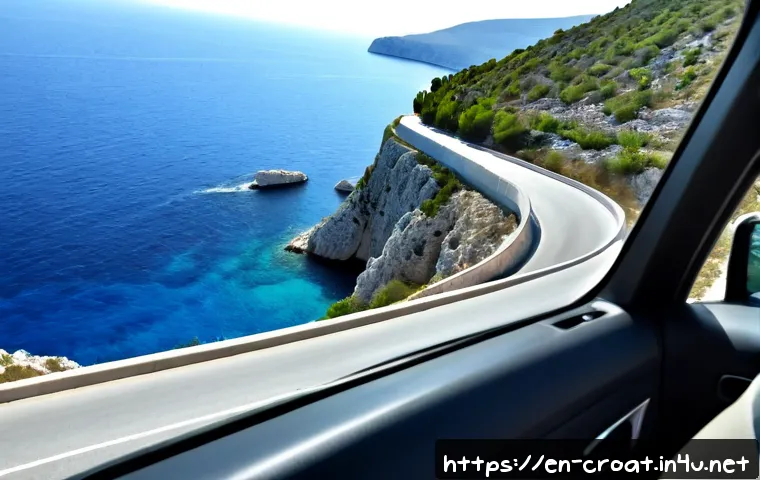
Coastal routes can look short on a map but still require patience during peak travel periods. Summer traffic, town entrances, scenic stops, and parking searches can all affect the journey. Plan realistic arrival times rather than scheduling accommodation check-in, ferry departure, or dinner reservations immediately after a long drive.
For a relaxed coastal trip, choose fewer base changes, build in time for fuel and parking, and keep a backup plan if the first parking option is full. Motorways may suit some journeys, while local roads may be more direct for others; your priority should be safety and timing, not simply the shortest map line.
Ferries and Island Vehicle Planning
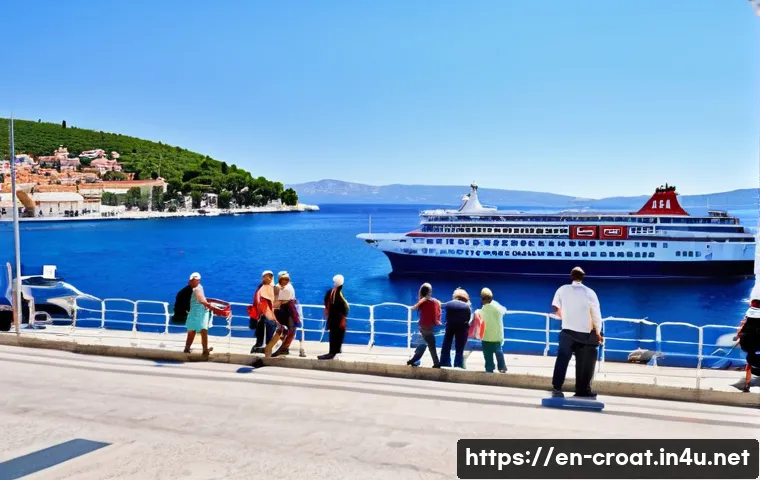
Island travel can add another layer to a self-drive itinerary. Ferry schedules, vehicle capacity, and seasonal demand may affect when you should arrive. Check the current timetable and vehicle conditions before relying on a particular sailing.
Confirm that your rental agreement permits ferry use if that is relevant to your trip. If you are travelling in a busy period, keep the day flexible enough to handle timing changes. A car is convenient on some islands, but it also means you need to plan vehicle space, parking, and return timing.
Route-Specific Advice for Summer, Winter, and Border Trips
Summer Heat, Congestion, and Parking Pressure
Summer road trips can mean heat, heavier traffic, and greater parking demand. Keep water available, avoid leaving valuables visible in the vehicle, and allow extra time for stops. Before setting out, review fuel level, route options, and the parking plan at your destination.
For a coastal holiday focused on a few walkable towns, compare the cost and effort of keeping a rental car against airport transfers, public transport, or selected guided excursions. For a route that includes remote beaches, inland villages, or several accommodation changes, a rental car may provide more control.
Winter Equipment and Inland Conditions
Croatia requires seasonal winter equipment on designated roads during the winter period. Mountain and inland routes may have additional conditions, and weather can change the sensible route choice. If winter driving is part of your plan, ask the rental company exactly what equipment is supplied and whether it is suitable for your itinerary.
Check current weather alerts, local road closures, and temporary restrictions shortly before departure. Do not assume that a coastal forecast reflects conditions inland or at higher elevation.
Cross-Border Driving Needs Written Confirmation
A Croatian rental car may not automatically be allowed into Bosnia and Herzegovina, Slovenia, Montenegro, or another neighbouring country. Written permission, additional insurance coverage, or specific documents may be required. Return-location rules can also affect the booking.
Raise border plans before booking, not after collection. Ask the provider whether the exact vehicle can cross, whether insurance documents or a green-card-style document are needed, what fees apply, and whether the car must return to Croatia. Border procedures and rental terms can change, so confirmation from the provider is essential.
Choosing the Right Driving Setup: A Practical Comparison Summary
Best Fit by Trip Style
City break: Consider whether a car will spend most of its time parked. Transfers, public transport, and walking may reduce parking stress.
Coastal itinerary: A rental car can help with flexibility between towns, but include tolls, peak-season traffic, and parking in the comparison.
Family trip: Prioritise luggage space, suitable child-restraint systems, insurance excess, and roadside assistance over the cheapest daily rate.
Multi-country journey: Choose only after cross-border permission, required insurance documents, and return-location conditions are confirmed in writing.
Final Booking Checklist
- Confirm the licence and identification requirements for your situation.
- Compare collision-damage cover, theft protection, exclusions, and excess limits.
- Check the required payment card, deposit process, and fuel-return policy.
- Estimate tolls, fuel, parking, and any one-way or cross-border charges in EUR.
- Review roadside-assistance contact details and the procedure for a breakdown.
- Check winter-equipment needs, ferry plans, and the parking situation at each stop.
Selection Criteria and Comparison Summary
Choose a rental setup by comparing total trip cost, not just the base rate. Check the insurance excess, exclusions for tyres, glass, and underbody damage, the fuel policy, and whether roadside assistance is included. Match vehicle size to luggage and parking realities. If your route reaches an island, mountain area, or another country, confirm those conditions before payment. Compare excess limits and cross-border terms on the provider’s details page before you book.
In Closing
Driving in Croatia can be a comfortable way to explore beyond a single city, provided the preparation matches the route. Follow signs, plan for toll plazas, and use EUR-based budgeting for the full cost of the trip. Rental coverage, parking access, and cross-border approval deserve attention before collection day. A clear plan leaves more room to enjoy the drive and fewer surprises at the counter or on the road.
Useful Things to Know
1. Motorway travel uses toll plazas rather than a nationwide vignette system.
2. A handheld phone is not permitted while driving; use hands-free options or stop safely.
3. Child restraints and seat belts should be part of the rental planning process.
4. Winter equipment rules can apply on designated roads during the winter period.
5. Current tolls, fuel prices, parking tariffs, ferries, and road conditions should be checked close to travel.
Important Notes
Rental deposits, excess amounts, fuel policies, roadside-assistance charges, licence requirements, and cross-border permission vary by provider and traveller. Toll amounts, parking rules, ferry schedules, weather alerts, closures, and temporary speed limits can change. Confirm the current terms with the rental provider and check official local travel or road information before each driving day.
Frequently Asked Questions
Q1. Is renting a car in Croatia worth it for a coastal holiday?
A1. It can be worthwhile if you want flexibility between coastal towns, inland stops, or less accessible places. Compare the rental’s full cost, including tolls, fuel, parking, insurance, and ferry planning, with transfers, public transport, and guided excursions.
Q2. Do I need extra insurance when hiring a car in Croatia?
A2. It depends on the basic cover, the excess you are comfortable with, and the exclusions in the policy. Check collision damage, theft protection, tyres, glass, underbody damage, and roadside assistance before deciding.
Q3. How much should I budget for Croatian tolls, fuel, and parking?
A3. Costs depend on your route, vehicle, travel period, fuel use, and parking locations. Budget in EUR and check current toll, fuel, and parking information close to your travel dates.
Q4. Can I drive a Croatian rental car into Bosnia and Herzegovina, Slovenia, or Montenegro?
A4. Do not assume that you can. Ask the rental provider for written confirmation, required insurance documents, any added coverage or fees, and the applicable return-location rules before booking.
Q5. Is driving in Croatia safe for first-time visitors to Europe?
A5. First-time visitors can reduce stress by keeping the route simple, driving on the right, following posted signs, avoiding handheld phone use, and allowing time for parking and tolls. In winter or on mountain routes, check equipment requirements and current road conditions before leaving.